2026 Dodge Charger R/T Review: Is a HEMI Really Needed? Really?
July 1, 2026
The 2026 Dodge Charger arrived carrying more baggage than most new cars. The first version out of the gate was the all-electric Daytona, complete with Fratzsonic synthesized exhaust sounds. When Charger was named 2026 North American Car of the Year, the outrage among Dodge loyalists could be felt pouring through my home internet router. Lost in the indignation was that NACTOY jurists (of which I was one) were not voting for Daytona, we were voting for Charger. We were sampling both, the EV and internal combustion engine.
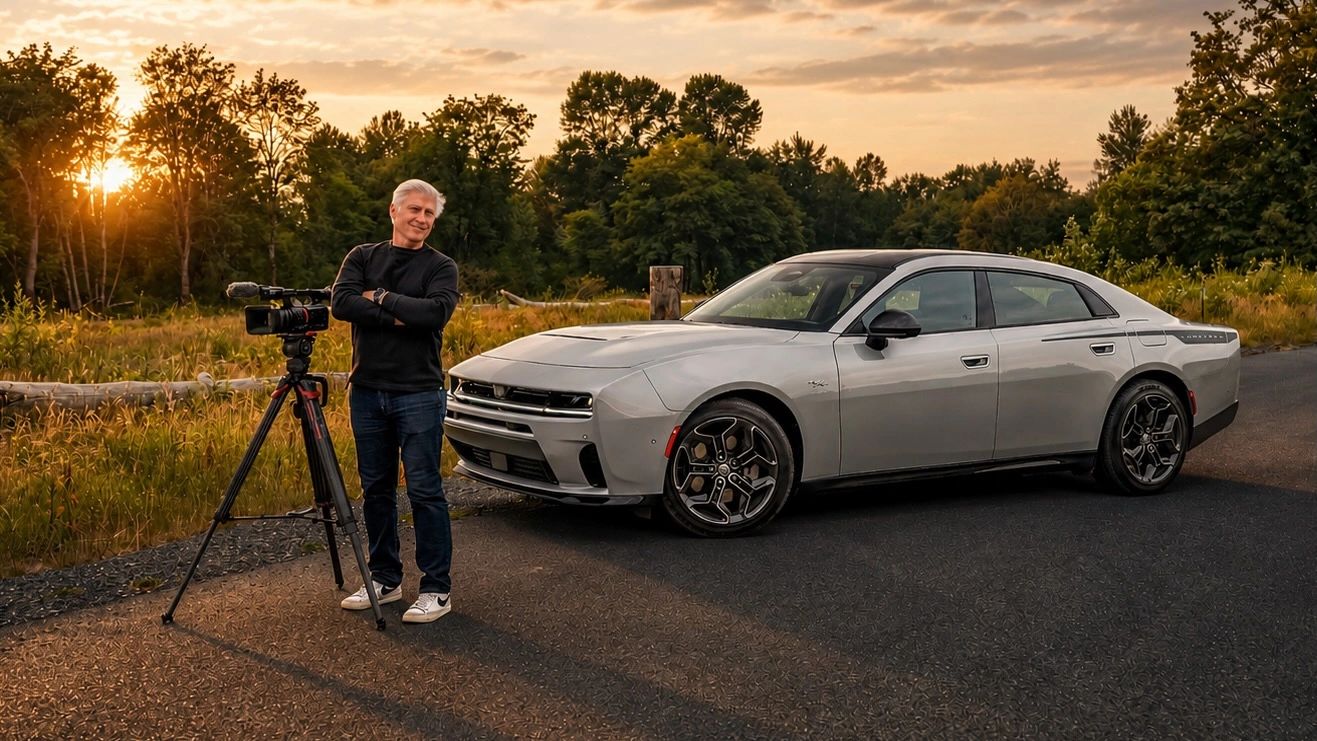
And so I come baring an olive branch in one hand, and a jerrycan of gasoline in the other. This review covers the dino juice-powered R/T Plus, which deserves to be judged on its own merits. As tested it MSRP’s for $61,475 before tax and license.
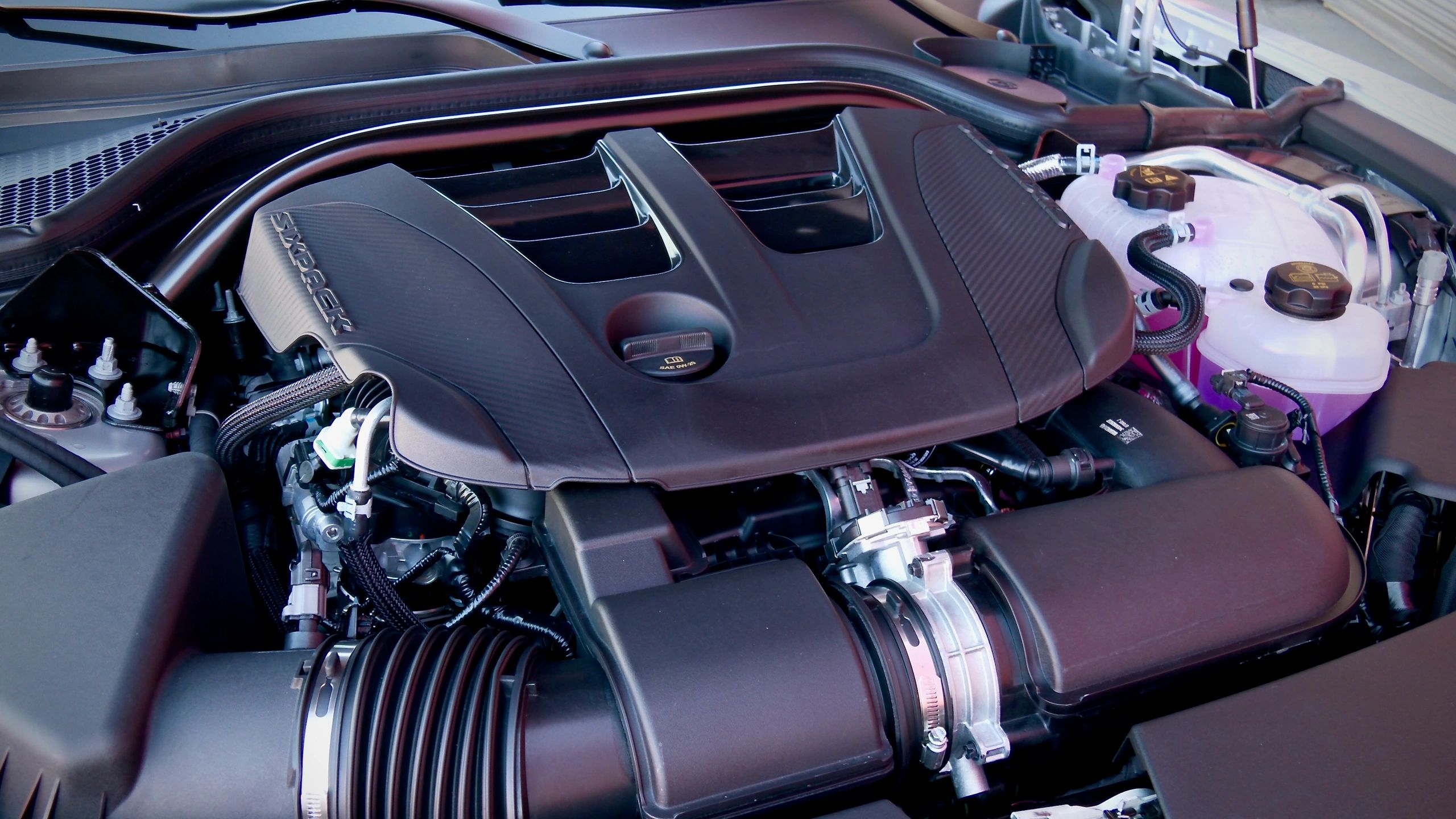
R/T’s power comes from Stellantis' standard-output 3.0-liter twin-turbo Hurricane inline-six producing 420 horsepower and 468 lb-ft of torque. Step up to the Scat Pack and output climbs to 550 horsepower, but the R/T delivers more than enough shove. Peak torque arrives at just 2,500 rpm, giving the big hatchback (yes, it’s a hatch) punch leaving stoplights and satisfying acceleration that reaches 60 mph in well under five seconds.
There isn't a HEMI rumble under the hood, but the Hurricane develops a refined growl that's genuinely enjoyable. It may not satisfy die-hard V8 loyalists, but it’s much better than the cheese ball Fratzonic tones.
Let’s talk about sound. In my years of photographing cars in rural areas, I’ve encountered angry residents that are sick and tired of performance cars racing near their homes. EV’s are super stealthy. HEMI V8s are not. The Hurricane inline-six makes enough commotion to raise awareness, but maybe not ire. Maybe Don’t discount the advantage of EV silent running.
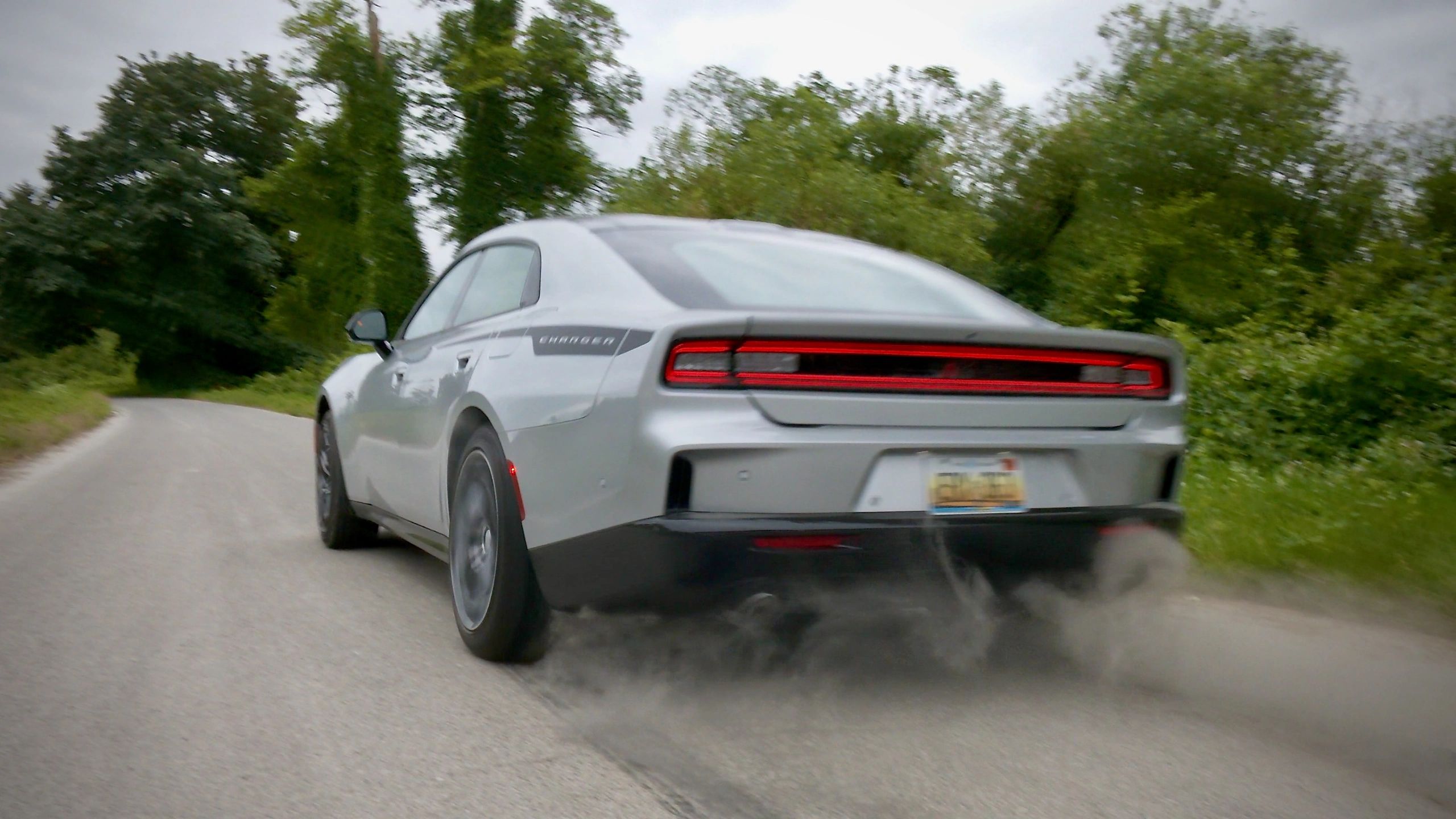
All-wheel drive is standard on all Chargers, though Dodge includes a rear-drive mode for those who enjoy burnouts, drifting and other tire shredding shenanigans. You did budget for Michelins, didn’t you? Drive modes noticeably alter the Charger's personality, while the optional Performance Pages offer extensive vehicle data like G-forces and every gauge you can think of. Every. Gauge. There are advantages to screens.
At roughly 4,700 pounds, the Charger remains a heavyweight despite weighing 1,200 lbs. less than the electric Daytona. R/T’s suspension is happiest on sweeping roads rather than tight switchbacks. This is a muscle car, not a sports coupe. It behaves accordingly. The standard brakes provide excellent pedal feel. Buyers planning frequent track days will appreciate the Scat Pack's larger Brembos.
Ride quality strikes a reasonable compromise. Firm without being punishing, sharp bumps remind occupants that the 20-inch wheels have thinner sidewalls. Wind and road noise are impressively subdued for a performance-oriented car, making the Charger a comfortable highway companion.
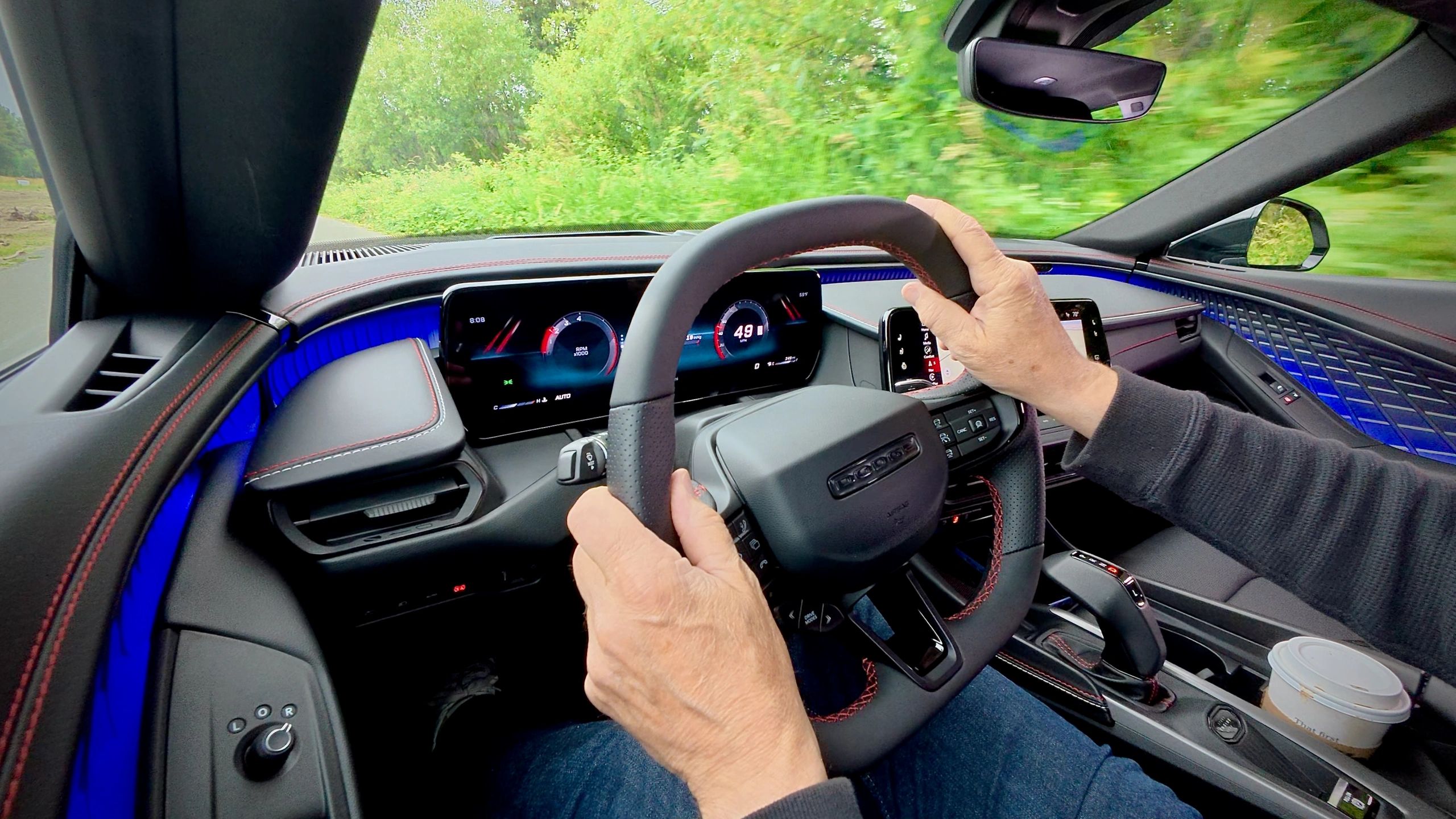
The cabin makes a strong first impression. Dramatic “attitude adjustment” ambient lighting reflects across sculpted trim panels to create an upscale atmosphere, even if some hard plastics look... well, plasticky. Heated and ventilated front seats covered in synthetic cowhide are supportive on long drives. The $1,795 Alpine audio system delivers rich punchy tunes and active noise cancelation (which could explain the interior’s calm demeanor at speed).
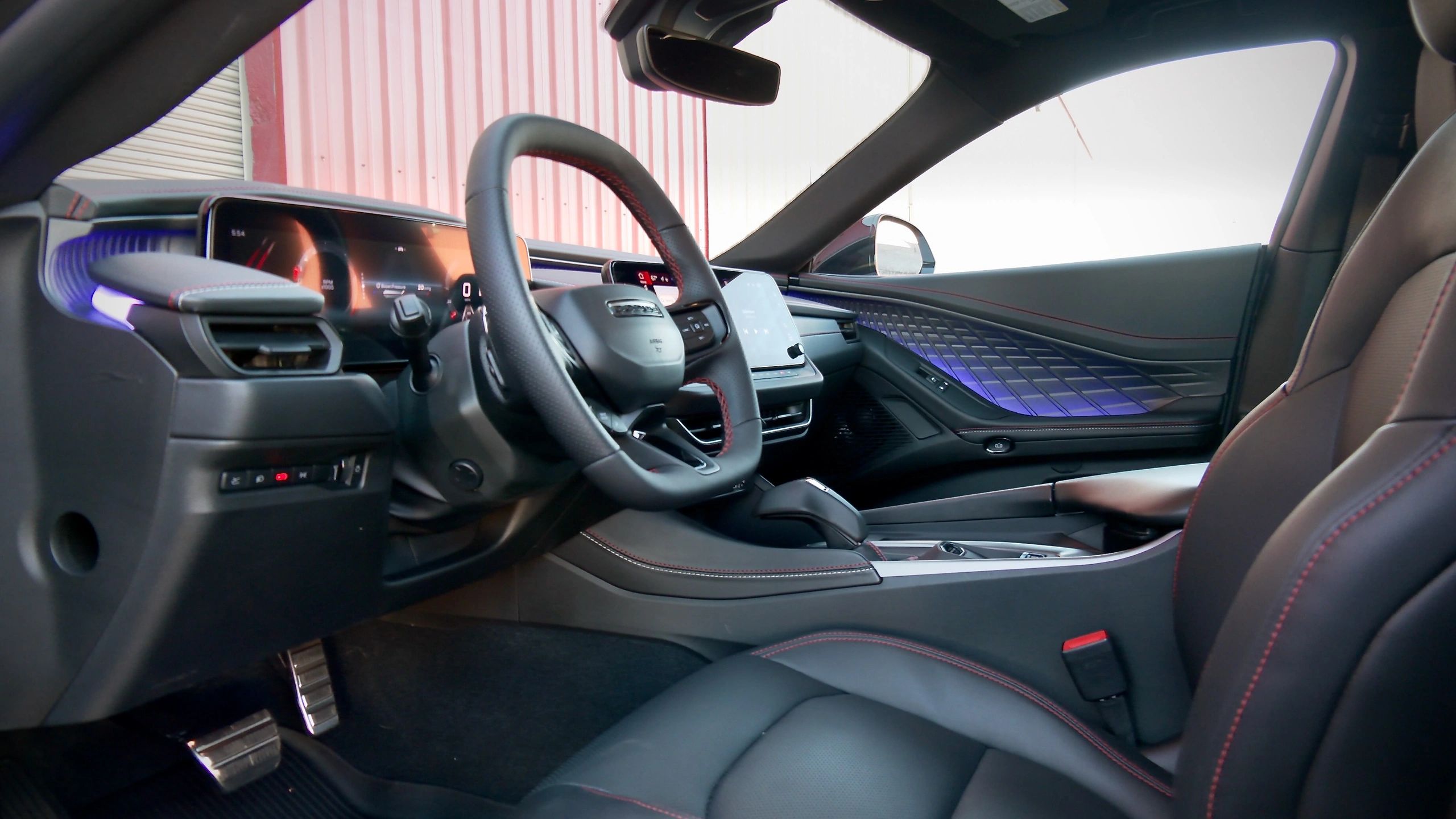
Stellantis continues to build one of the industry's better infotainment systems. The latest Uconnect interface looks good, responds quickly, offers logical menu structures, is easy to configure and supports wireless Apple CarPlay and Android Auto. Dodge kept a number of physical controls too, not everything is buried within nesting touchscreen menus.
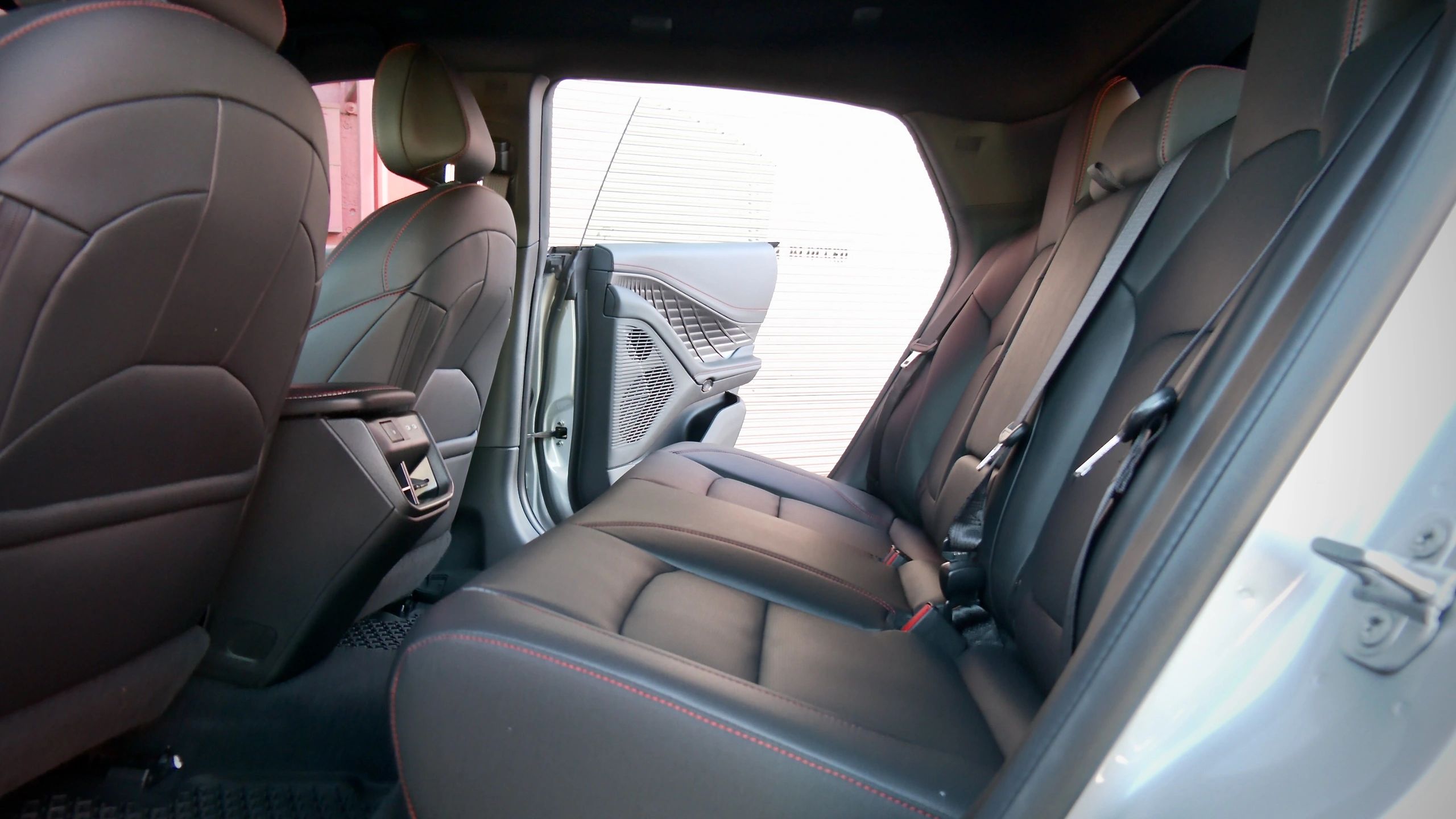
Charger is practical. Okay, it’s useful for its class. Getting 4-doors and butt-kicking performance now-a-days generally means going through BMW, Cadillac and Mercedes. While Ford's Mustang remains exclusively a two-door coupe, Dodge offers both two- and four-door versions. Rear-seat passengers enjoy generous legroom and comfortable cushions, though headroom is merely adequate, and the door openings require a bit of ducking. Three adults can fit across the rear bench without complaint.
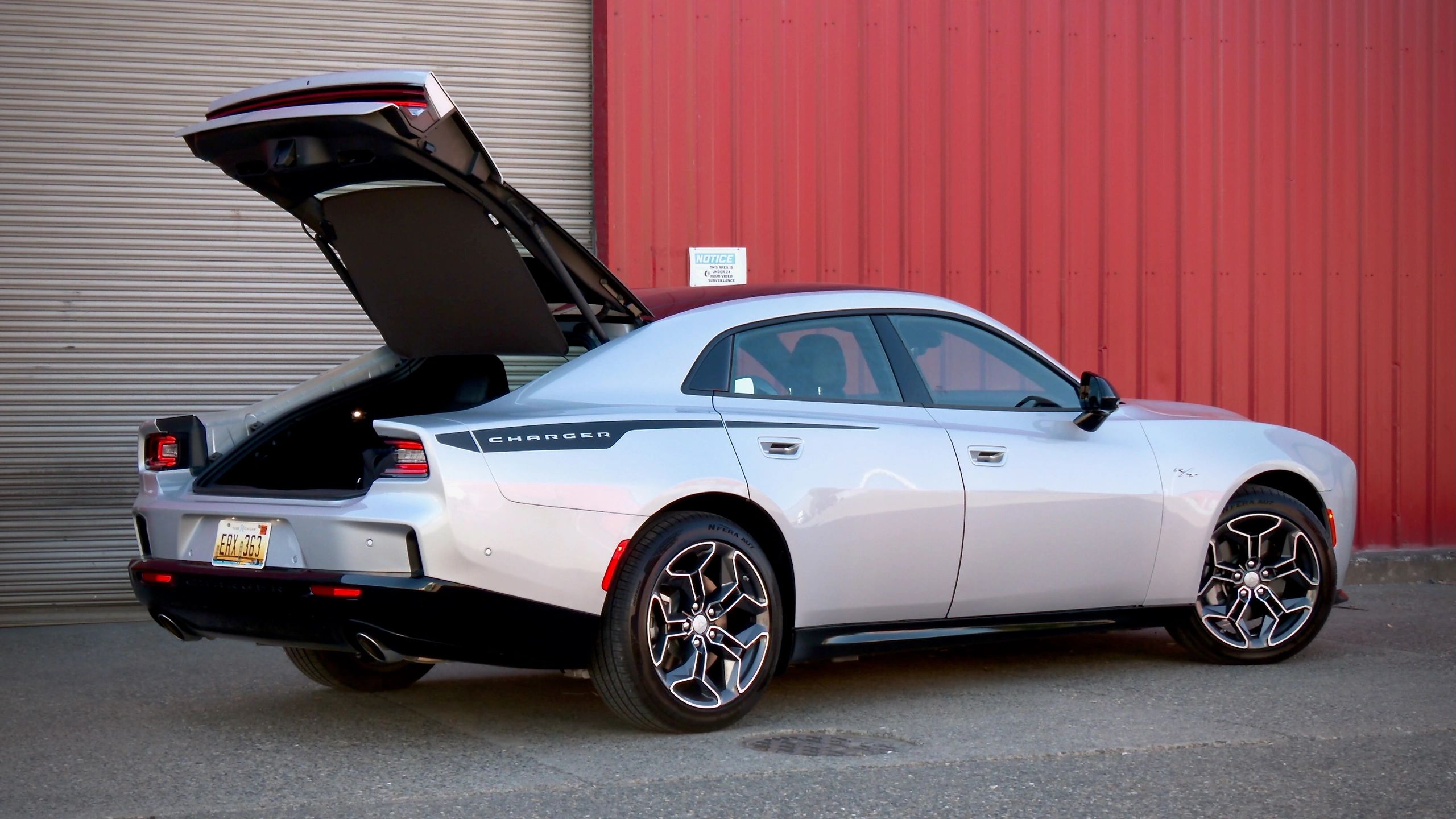
The hatchback opening creates a wide cargo expanse that's easy to load, but the numbers disappoint. With the rear seats in place, cargo capacity measures just under 23 cubic feet. Folding the rear seats expands space to 38 cubic feet—useful, but modest considering the Charger's substantial footprint.
The shadow Charger casts is impossible to ignore. It’s is as wide as a Chevrolet Traverse and a couple inches longer. Measure your garage before signing the paperwork.
Dodge's designers made good use of that large canvas. The long hood, fastback roofline and clean surfaces recall second- and third-generation Chargers without becoming a slave to 1970’s styling. It successfully honors the past while looking toward the future.
True, there’s no V8, but considering what’s happening at Dodge, never say never. For some buyers, no amount of horsepower or refinement will replace a HEMI. Others may discover that the Hurricane six (or the Daytona EV that’s wicked fast) delivers everything they actually want from a modern muscle car: abundant torque, all-weather capability, everyday usability and genuine performance.
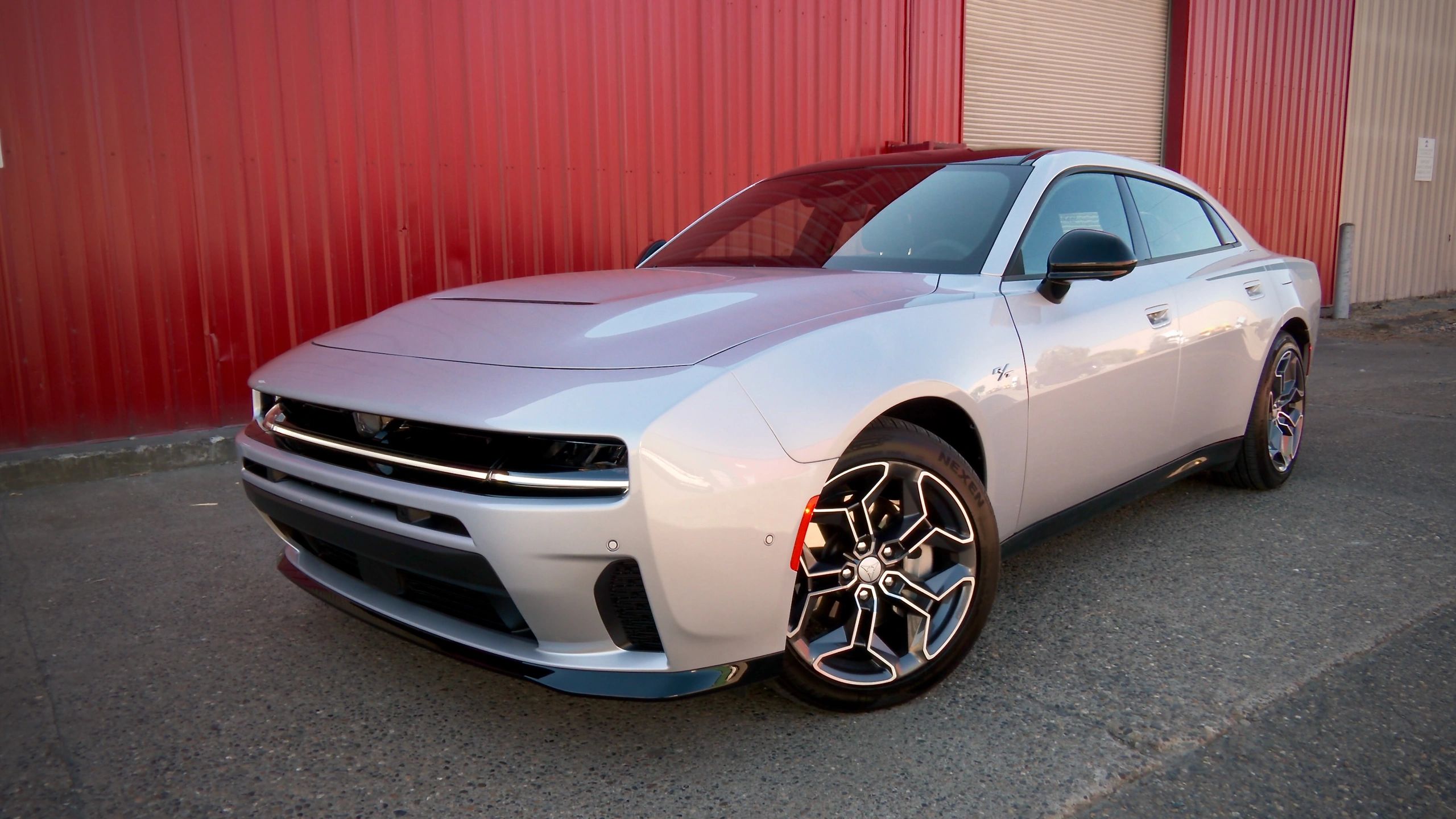
Starting at $46,800 for the coupe, with the sedan commanding a premium of two grand, the Charger occupies a segment that’s rapidly becoming a niche. Camaro is gone, Mustang has only two doors, and Euro performance sedans command larger monthly payments.
The 2026 Charger R/T proves that muscle cars can evolve without abandoning their identity. It won’t satisfy every traditionalist, but it remains something increasingly rare: a practical American performance car with plenty of attitude.