2026 Subaru Outback Touring XT: More Outbacky Than Ever
June 10, 2026
You probably know that the 2026 Subaru Outback has succumbed to peer pressure and ditched the wagon form factor for more of a conventional SUV shape. Generation seven is taller, boxier, and, visually, busier than a caffeinated squirrel.
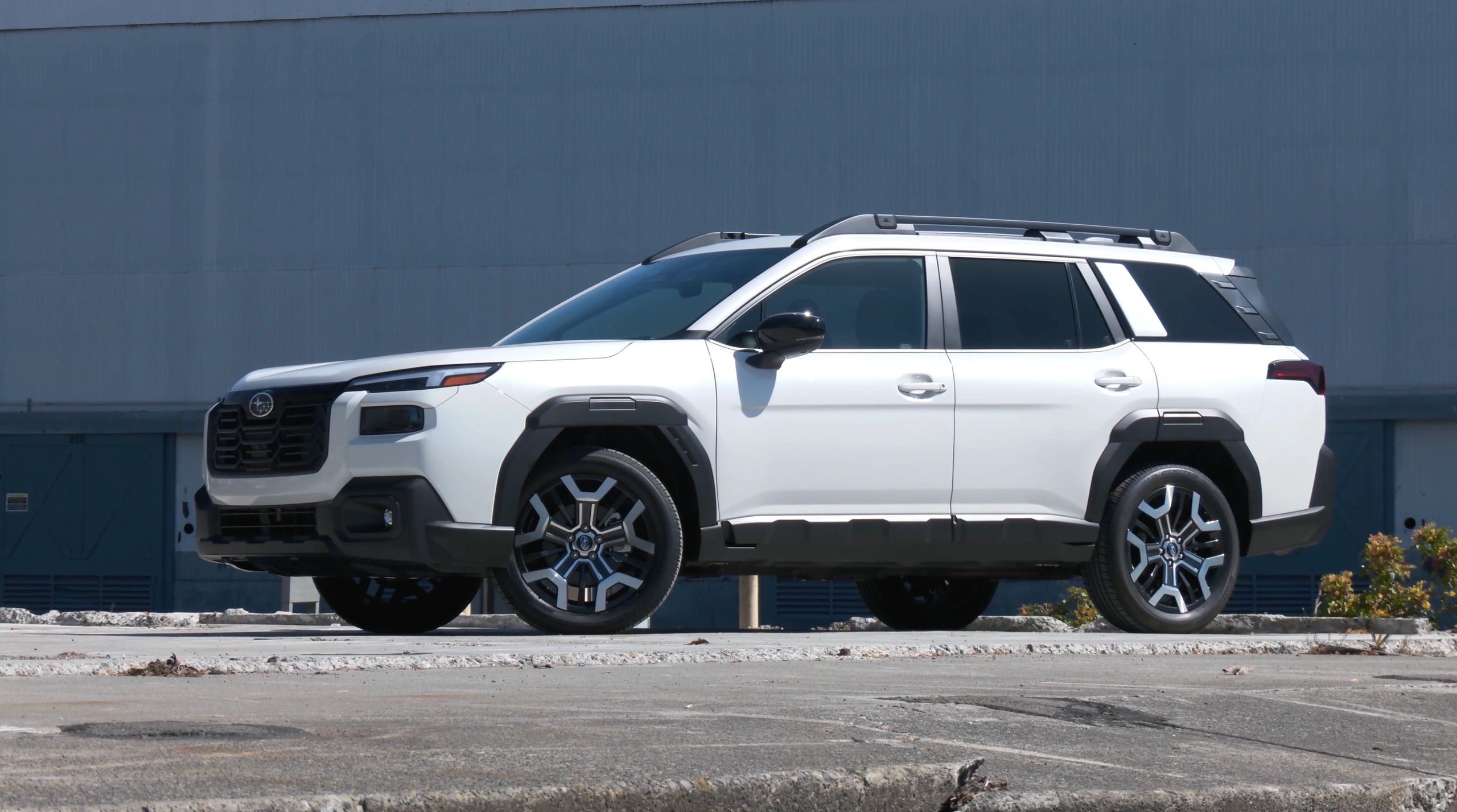
I only opine that this is an unattractive vehicle because it’s kind of my job and I refuse to default to the old chestnut “design is subjective”. That said, Subaru loyalists aren't known for chasing fashion trends. They buy Outbacks because they work. And the newest version may be the most Outbacky Outback ever.
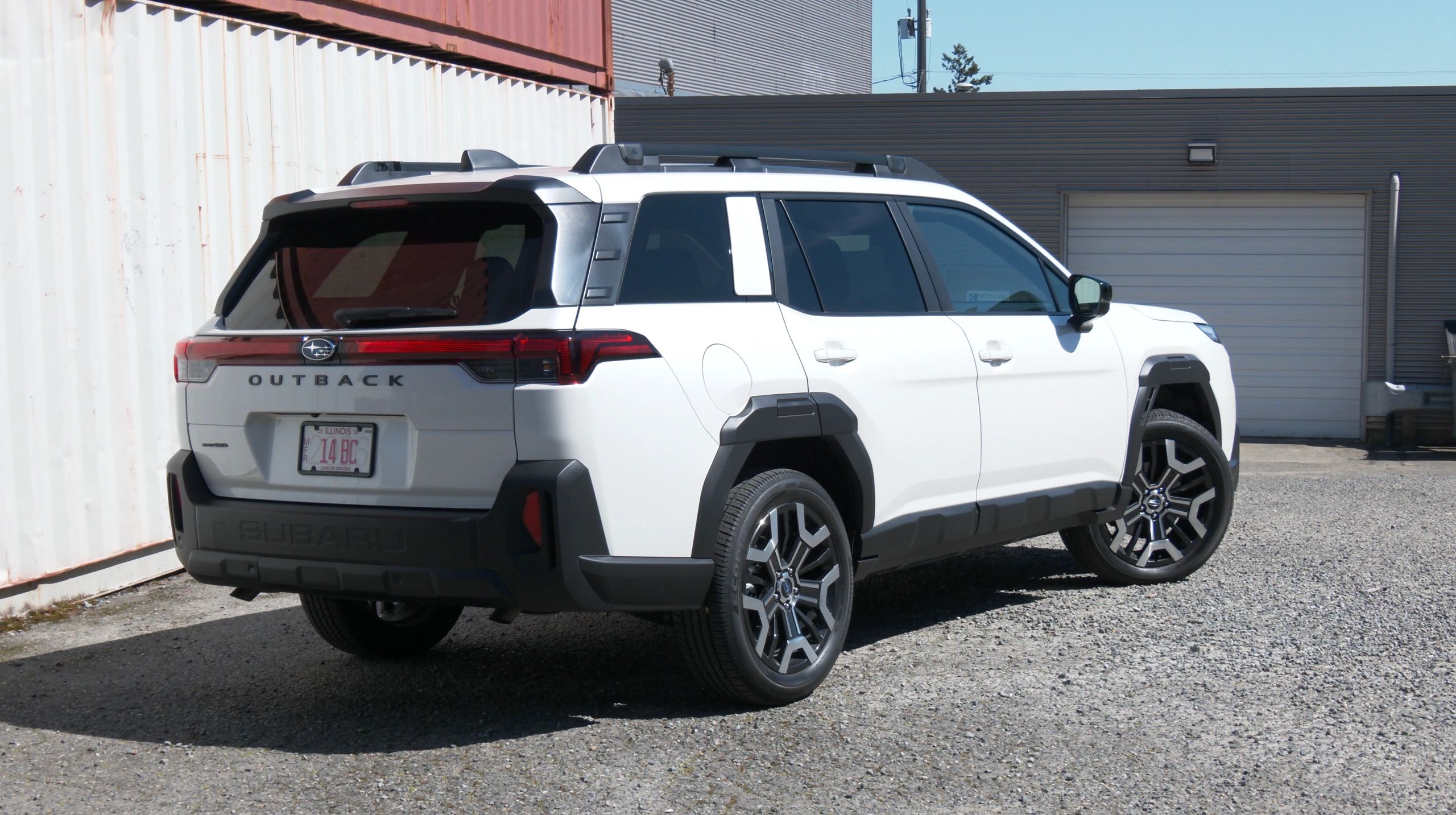
Pricing starts around $36,400 including destination, with Subaru's standard Symmetrical All-Wheel Drive included as always. The Touring XT tested here stickers at roughly $49,400, which in today's market is surprisingly reasonable considering the average new vehicle transaction price hovers around fifty grand.
The XT badge means turbocharged in Subie-speak. Under the hood sits Subaru's 2.4-liter turbocharged boxer four-cylinder producing 260 horsepower and 277 lb-ft of torque on regular fuel. That's a significant upgrade over the naturally aspirated engine, delivering an extra 80 horsepower and 99 lb-ft of torque.
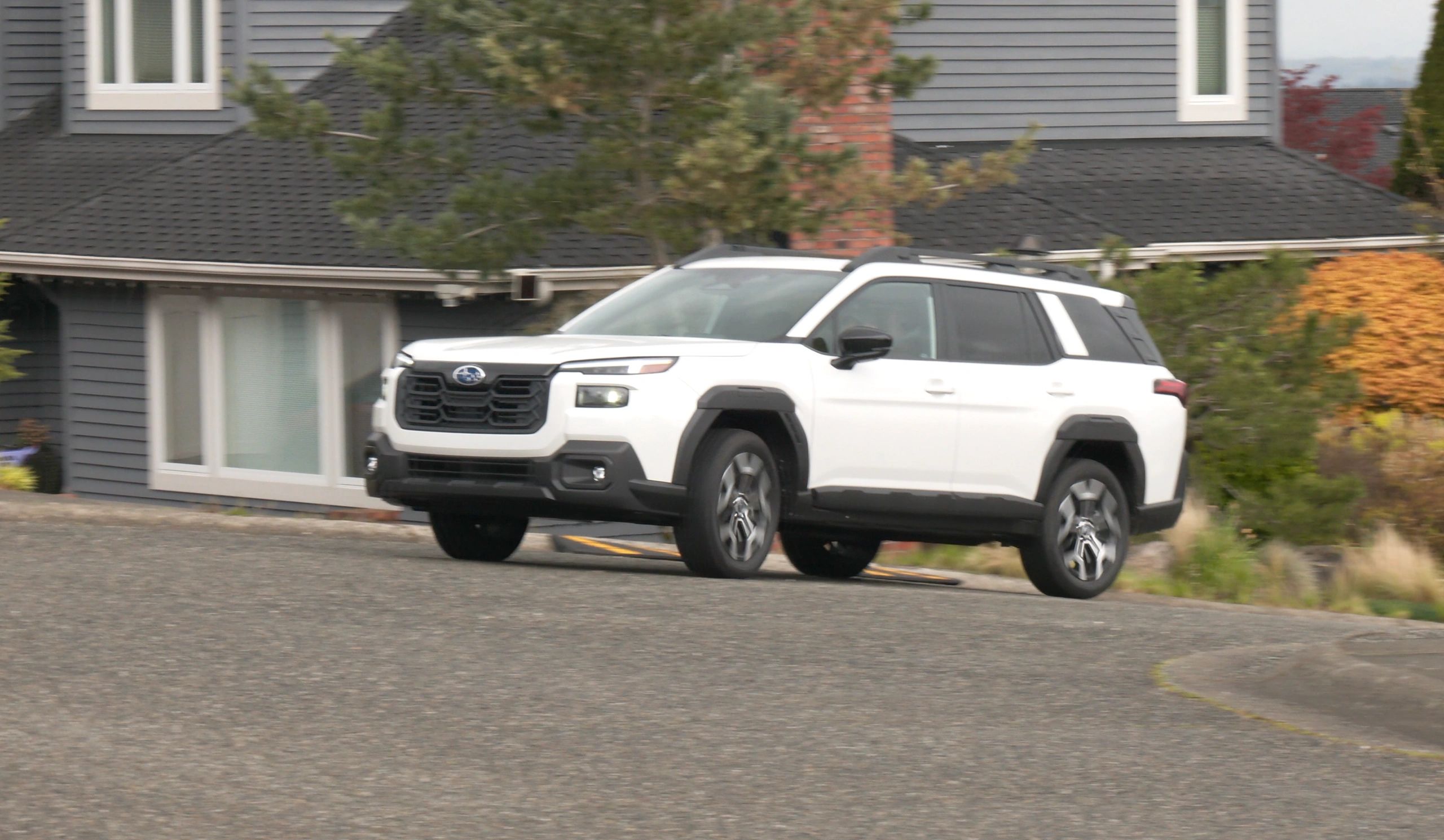
The difference is immediately noticeable. The Touring XT reaches 60 mph in a little over six seconds, making it genuinely quick for a family-oriented crossover weighing nearly two tons. Buyers who enjoy merging confidently or climbing mountain passes without consulting a calendar should consider spending the additional $2,600 for the boosted boxer. Remember that turbo engines perform better at altitude kids. But not as well as EVs.
Power is routed through Subaru's continuously variable transmission. CVTs remain contentious among enthusiasts. Outback is not intended for the WRX crowd. Subaru does a commendable job programming this one to behave a bit like a traditional automatic, complete with simulated gear changes and paddle shifters.
Outback covers those long distances to the good hiking trails in comfort. The ride quality remains supple, soaking up rough pavement. Highway noise is muted, visibility is excellent, and the slightly elevated seating position provides a commanding view without feeling truck-like. Push it hard through corners and there’s body roll and predictable understeer. It’s what the loyalists want.
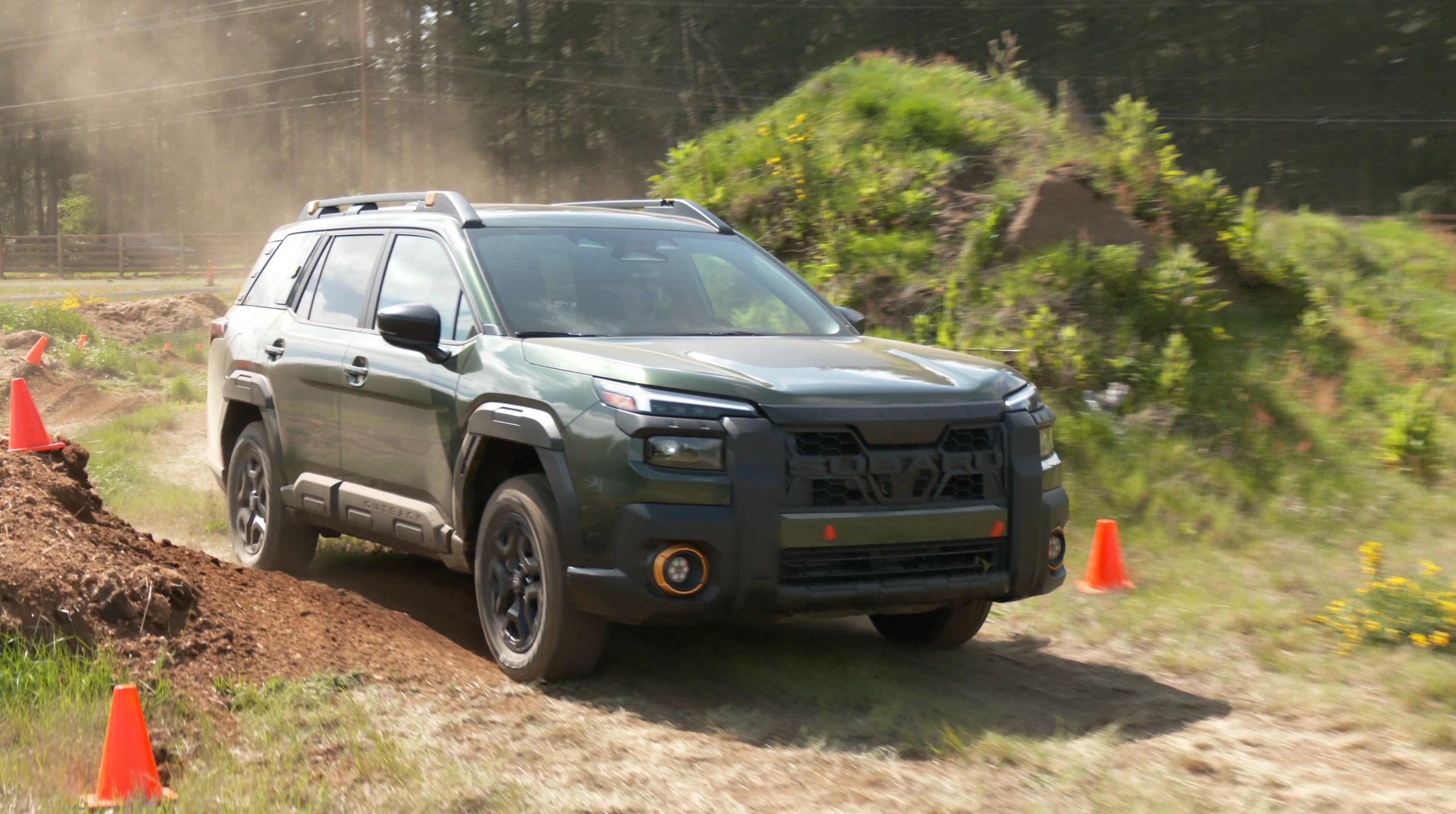
For those venturing beyond pavement, the Outback continues to impress. Most trims offer 8.7 inches of ground clearance, while the Wilderness model that I drove at Mudfest 2026 increases that to 9.5 inches plus adds all-terrain tires, underbody protection, electronically controlled dampers, and standard turbo power.
At Mudfest, the Wilderness waltzed through the Ridge Motorsports Park’s back 40 like it was a mall parking lot. But I suspect all Outback models are capable enough for the rough forest service roads and trailheads that owners are most likely to encounter.
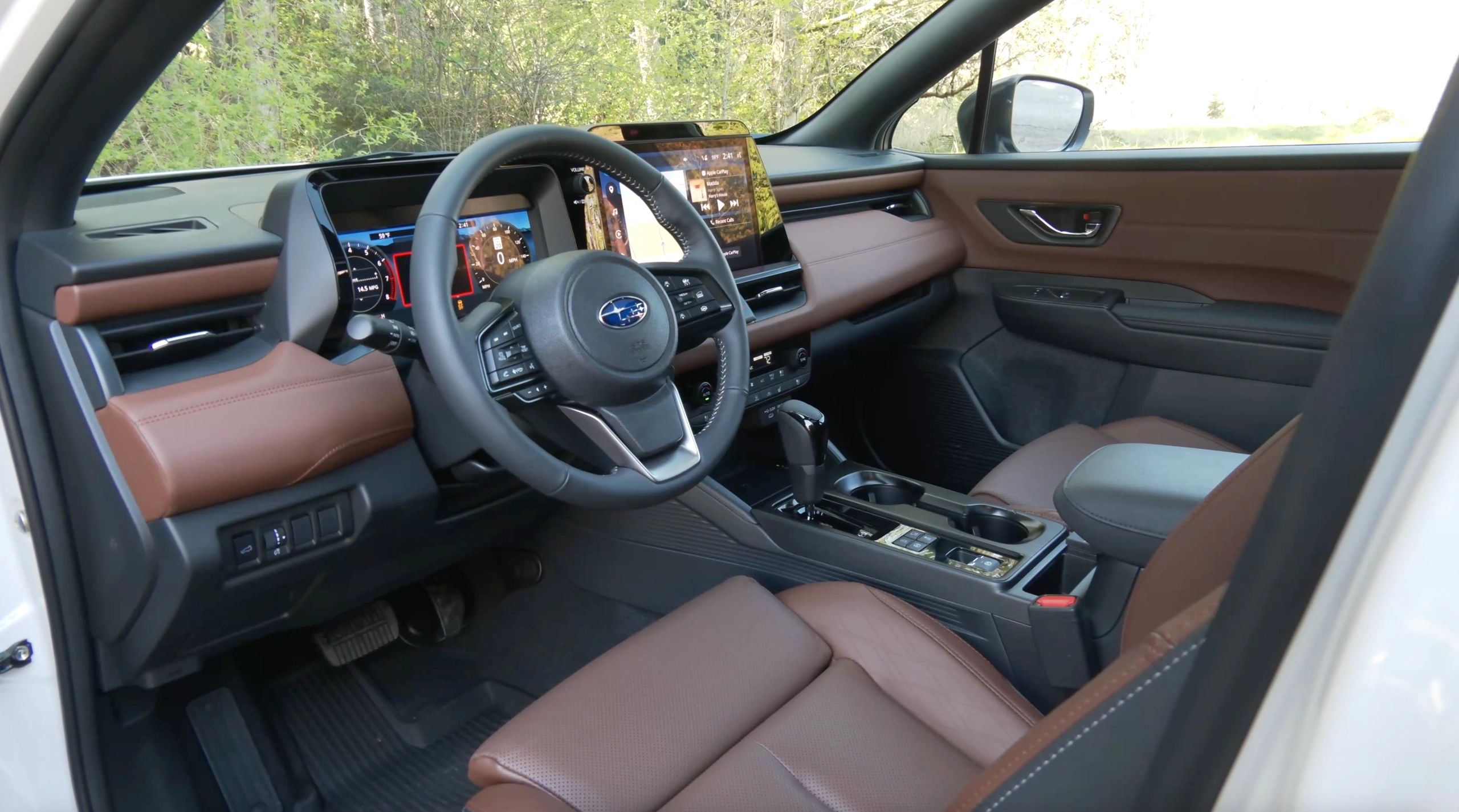
Inside, Subaru has made some welcome improvements. The cabin is less “roughing it”, more “glamping” now, especially in Touring trim. Materials are attractive, build quality appears solid, and black plastic trim that seems so popular with competitors is a brushed texture here.
The seats are excellent, offering long-haul comfort and substantial support. The driver gets a thigh extender, sorry passenger. Ventilated Nappa leather seats are included on the Touring, along with one of the best sun visors in the business. It sounds like a small thing until you’re driving directly into a setting sun.
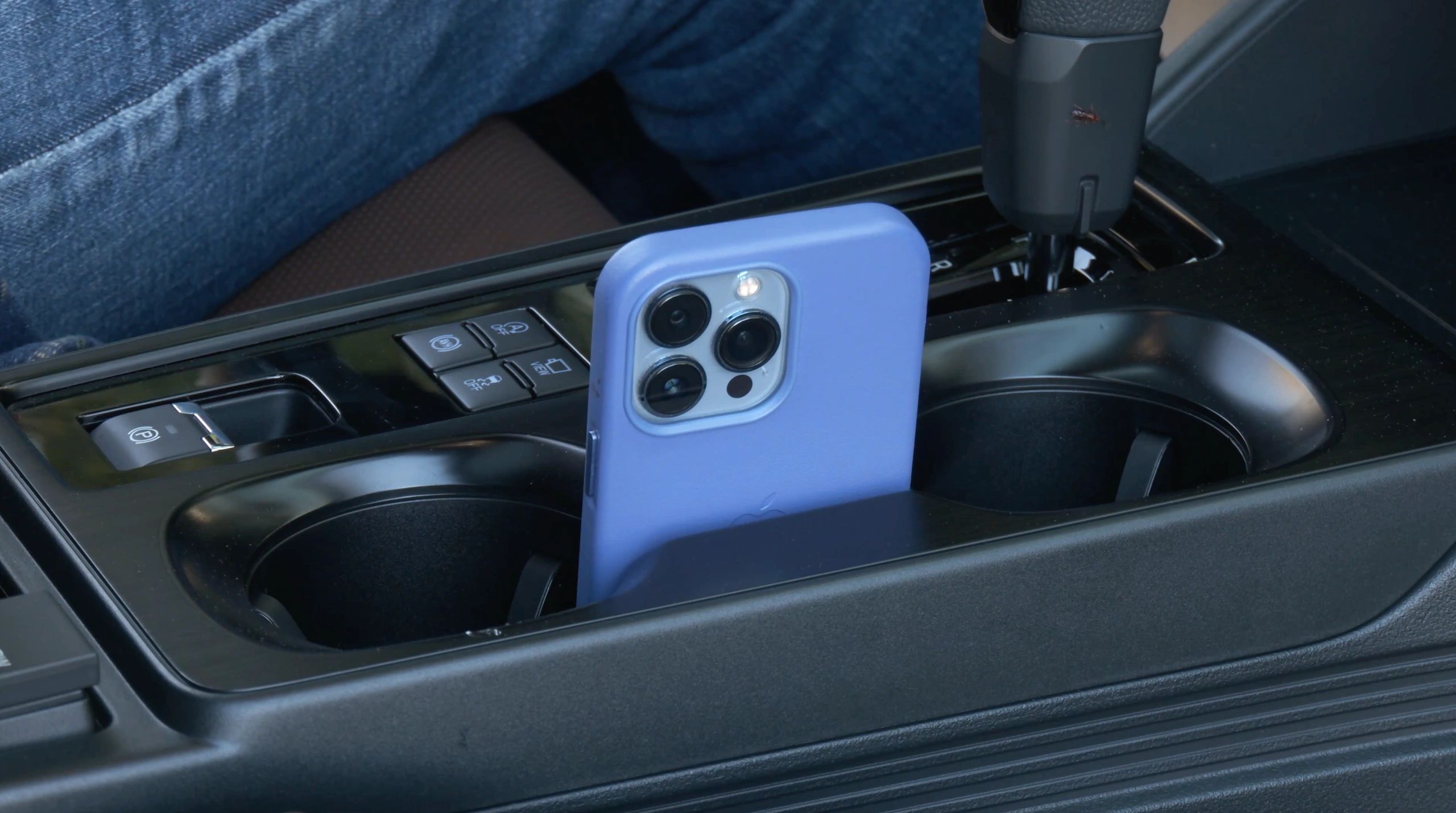
Storage for sunglasses and Cliff Bars is everywhere. Door pockets easily accommodate giant water bottles, cubbies abound, and thoughtful touches suggest Subaru consulted squirrels, not dogs for organizational advice.
Technology takes a major step forward. Every Outback receives a 12.3-inch digital instrument cluster and a new 12.1-inch touchscreen running Subaru's latest interface. The system is far more intuitive than the previous Starlink setup, with customizable menus, faster response, and—perhaps most importantly—physical buttons and knobs for key functions. There really should be a Nobel prize for doing automotive interfaces well. Maybe an over the air update can smooth the grating “BEEP” of the conformation prompt and the system’s voice that’s 1980’s Speak & Spell adjacent.
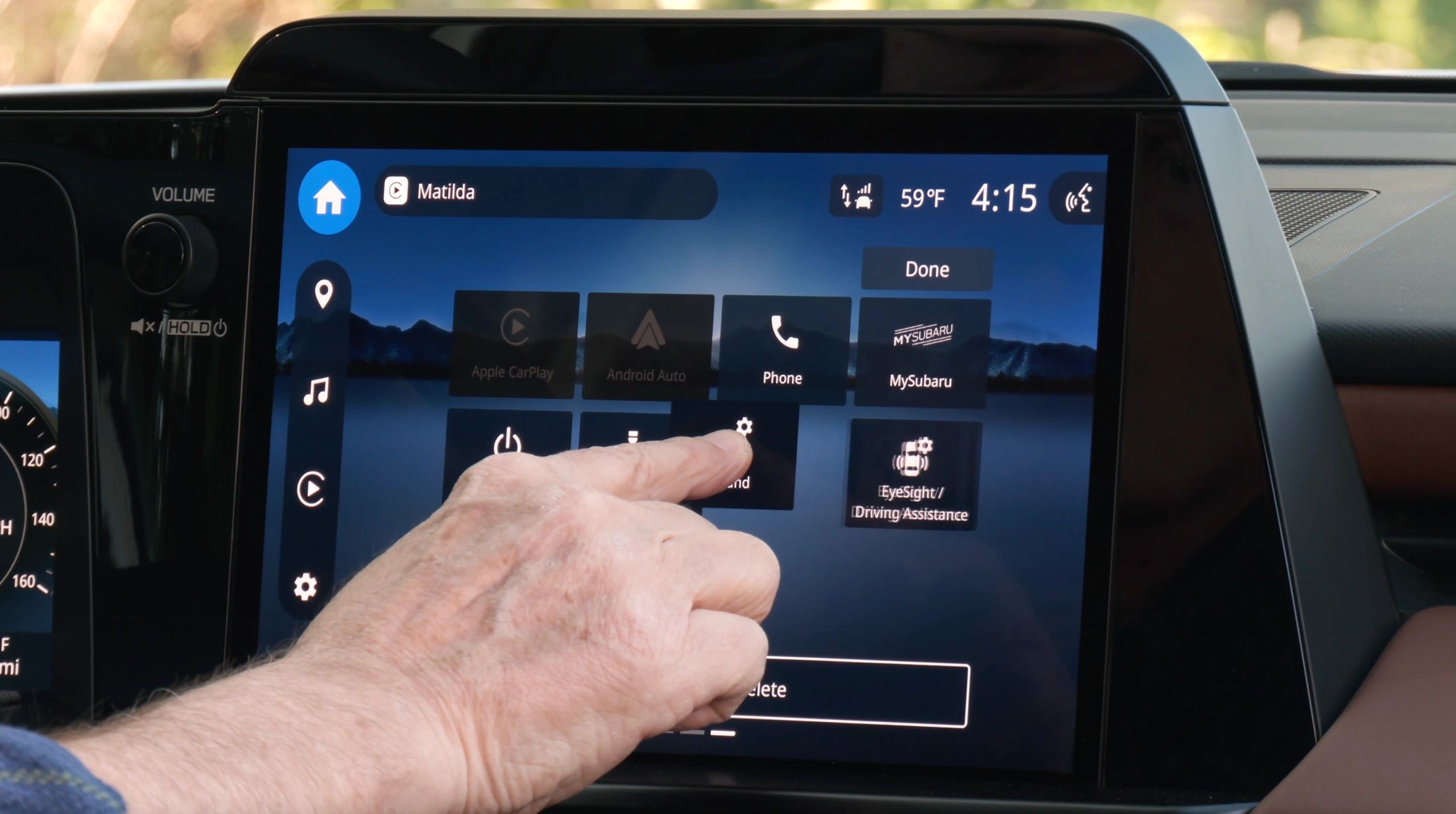
Personal nitpick, there are both USB C and USB A ports. The future is USB C. Buyers that can afford an Outback can afford new cables.
Wireless Apple CarPlay and Android Auto are standard, and the phone charging pad is conveniently positioned. Some connected services are included for five years, while others require subscription plans. Welcome to modern car ownership.
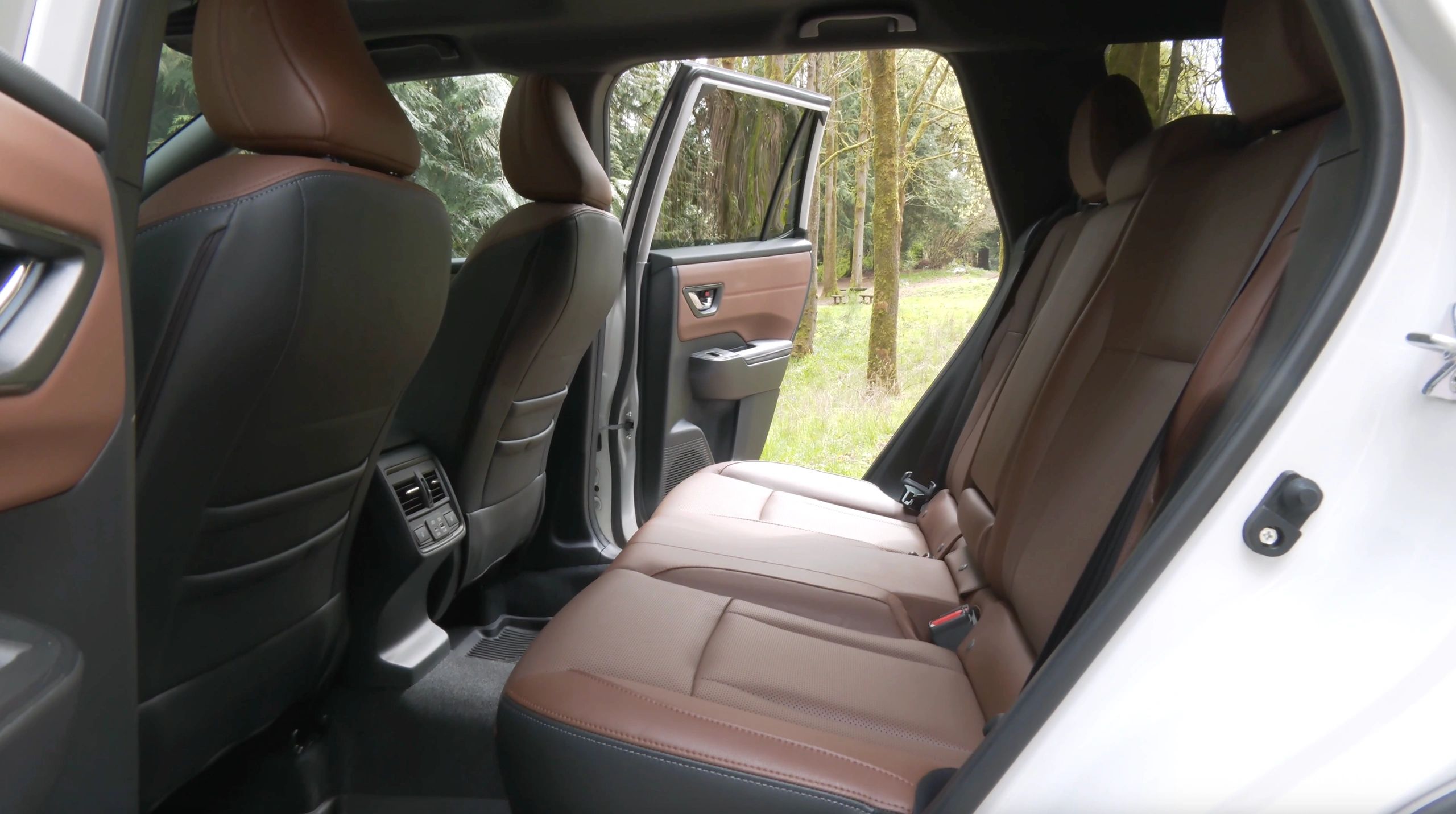
Since the roof is higher, the backseat is better equipped to handle pickup basketball buddies. The width and overall space remains quite similar though. It should handle 3 average adults with ease, other than the large drive shaft tunnel that cuts into Air Jordan room.
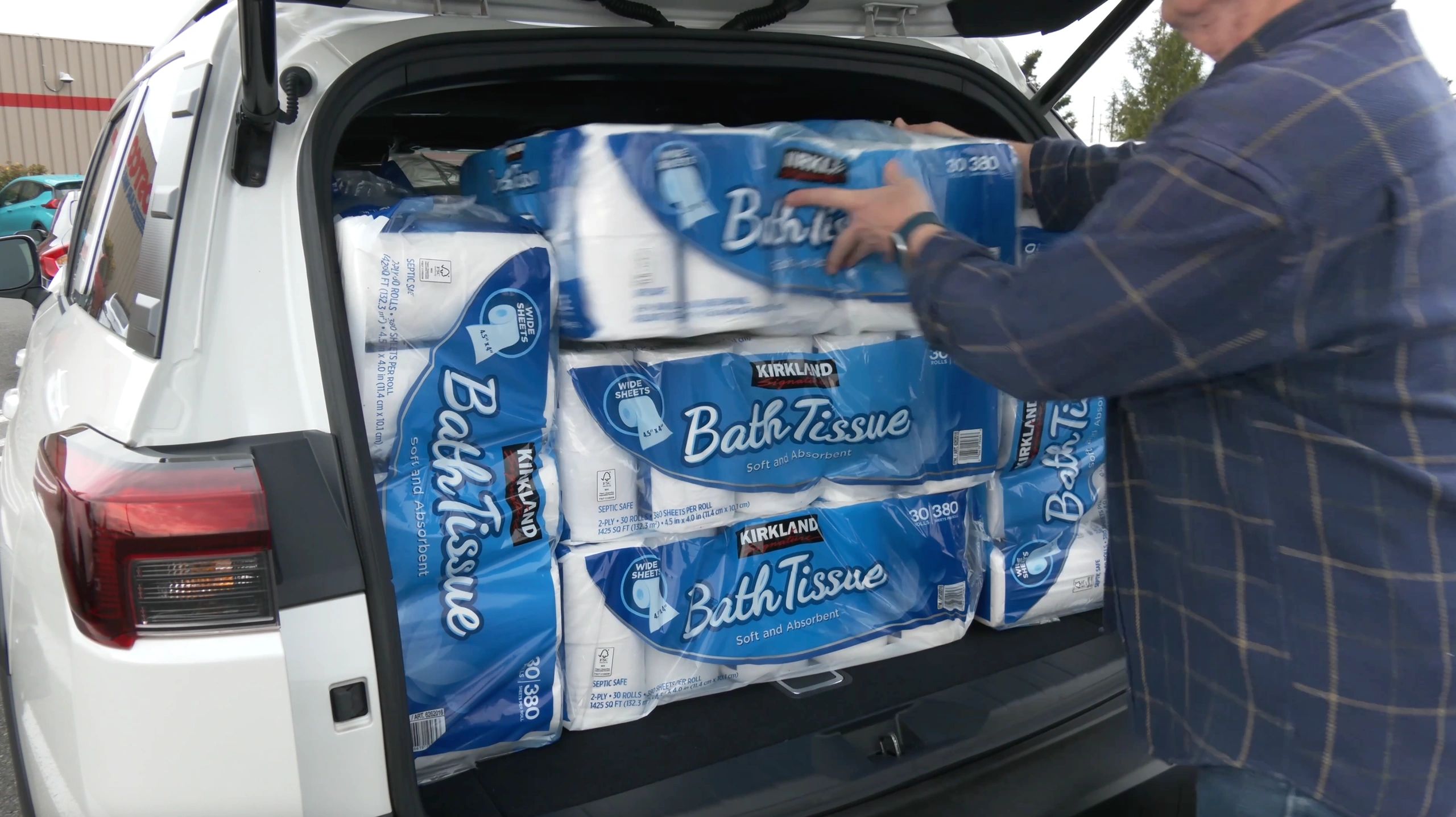
Cargo space grows for 2026. Behind the rear seats, capacity increases to 34.6 cubic feet, while maximum cargo volume expands to just over 80 cubic feet. The space remains practical and square, so it shines in the Costo TP Trunk Test. 10 packs of softness and absorbency is easy to stuff into the back with seatbacks up. That’s one or two better than competitors like Chevy Equinox, Honda, CRV, and Toyota RAV4.
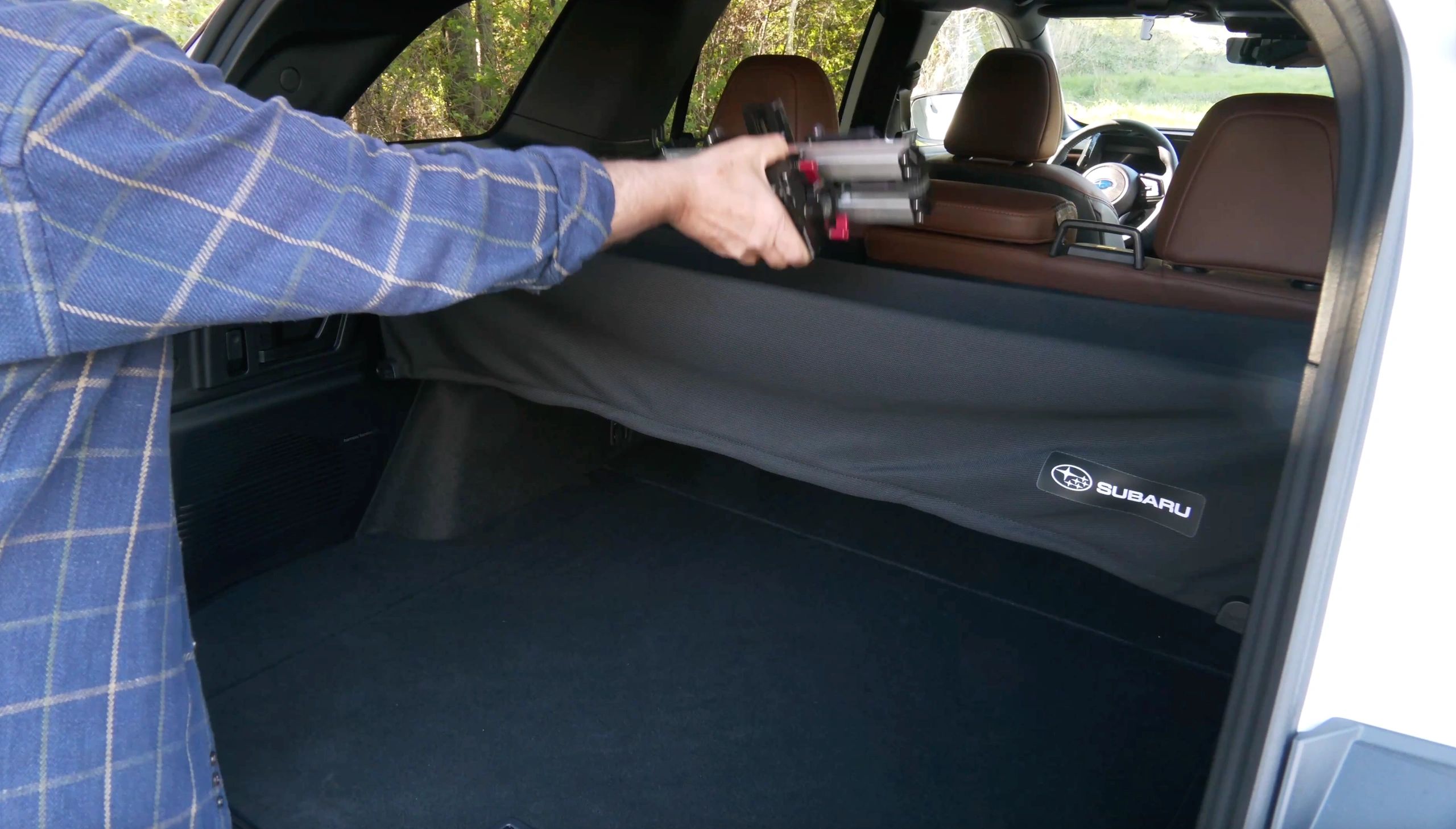
Subaru's clever cargo-area security cover deserves special mention. It stores neatly beneath the floor when not needed and can even be configured in "hammock mode" to keep smaller items from rolling around. Somewhere, Paul Hogan is nodding approvingly. Yes, he’s still alive.
Importantly, Subaru still includes a spare tire. In an era when many manufacturers seem convinced roadside assistance is a suitable replacement, that's refreshing.
Fuel economy takes a slight hit due to the Outback's taller shape. The naturally aspirated model is rated at 27 MPG combined, while the Touring XT manages 24 MPG. At least both engines drink regular fuel. No official word on a hybrid powertrain but know that the Trailseeker EV uses no gas at all (and is arguably the looker in the family).
Okay, maybe this is more SUV-like now. But really, the roof is only raised an inch and a half against a footprint that’s pretty much the same. Squint the wagon form factor is still there. Utility is what’s most important to loyal Subaru owners and this Outback is better in nearly every measurable way. The interior is nicer, the technology is improved, cargo space increases, comfort remains outstanding, and the turbocharged engine provides genuinely satisfying performance. Go with the turbo if you have the funds. You’re welcome.
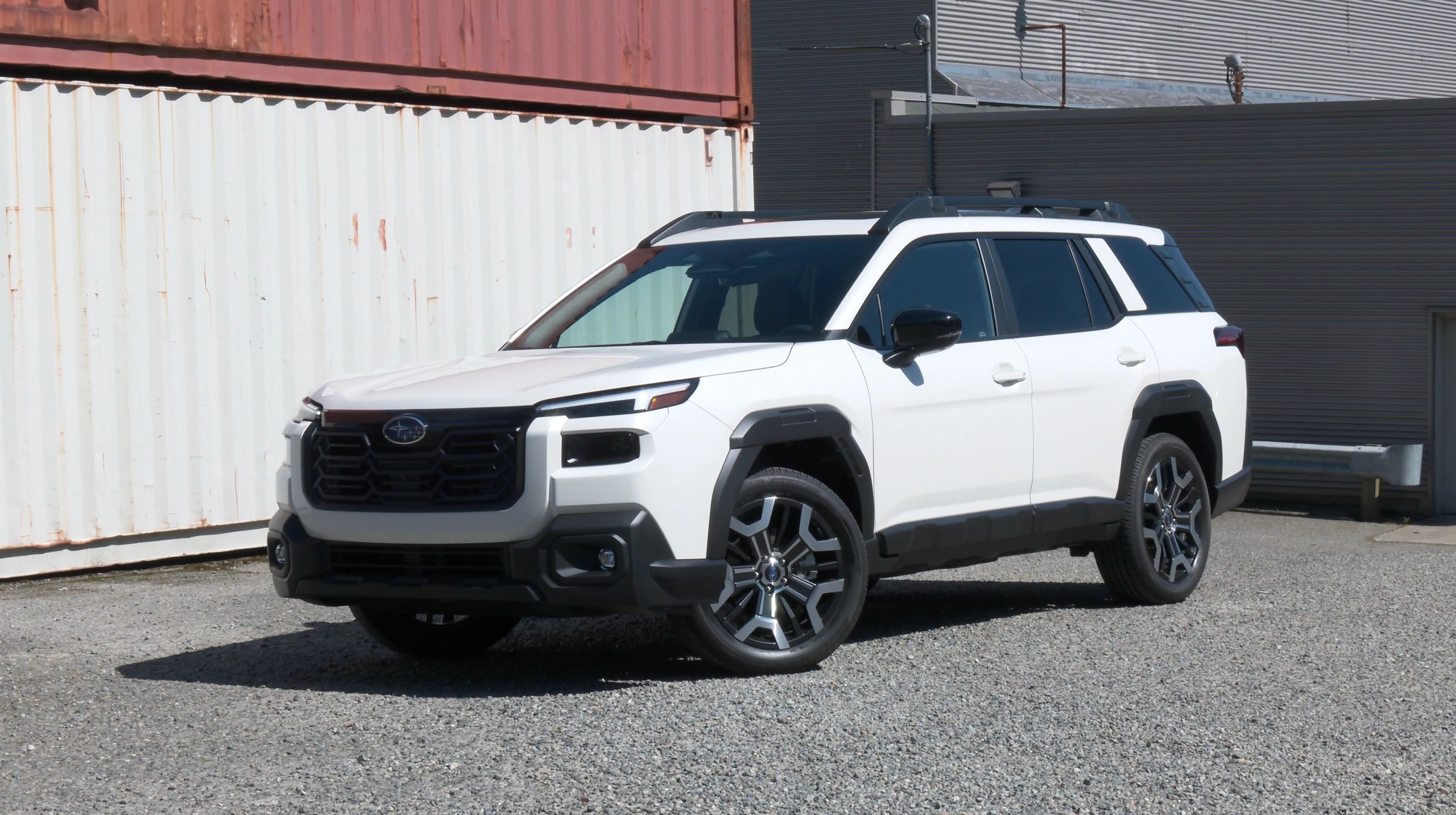
The 2026 Outback may no longer look like the Outback of old, but it’s exceptionally good at being an Outback. In fact, it's probably the best one Subaru has built.