Scout Traveler and Terra are Coming. Here's What to Expect.
May 26, 2026
Seems most of us have a grandpa or cool uncle who owned a Scout SUV. If not, know that Scout was a line of body-on-frame vehicles produced by International Harvester from 1960 to 1980. Volkswagen AG snagged the rights to Scout when it bought Navistar in 2021, and the revival of the brand is on track for delivery in 2028. My Uncle Chuck had a Scout II. Yes, he was cool. No, I’m not sure if he’s interested in the new one. I think he drives a Kia now.
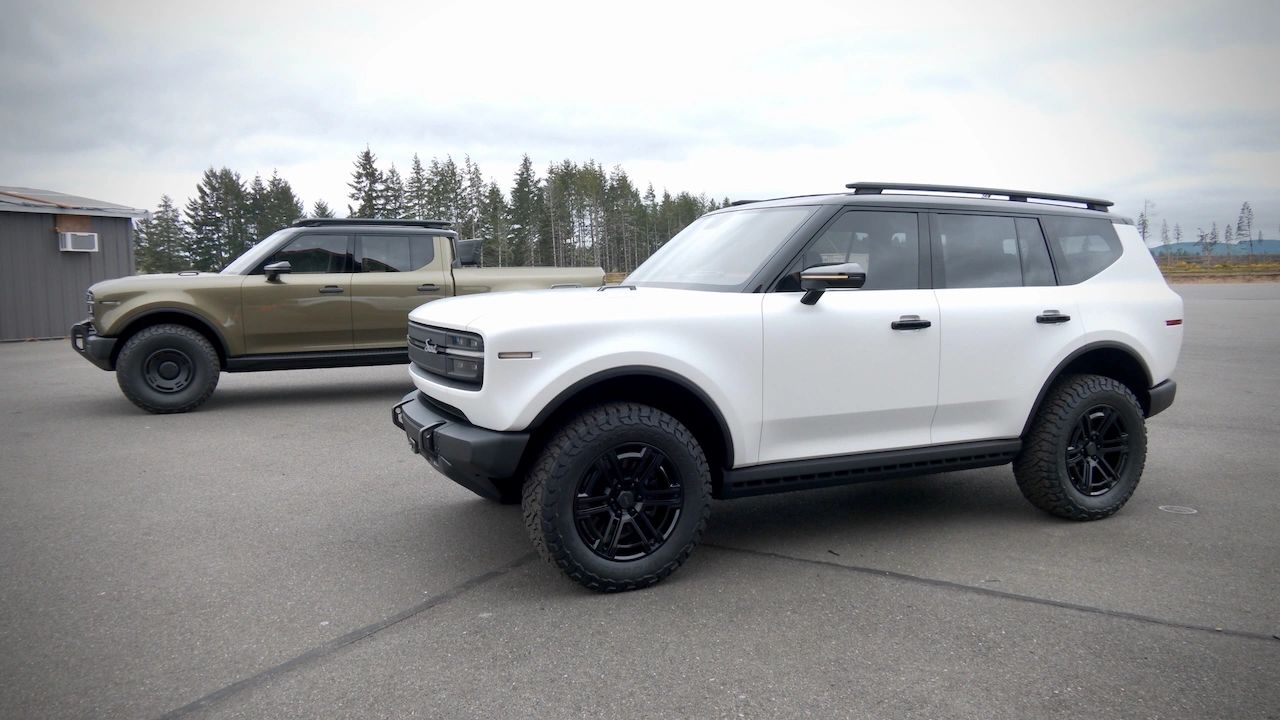
He does know that two new Scout vehicles are headed our way: the Traveler SUV and Terra pickup. Unlike the originals, these will run electrified powertrains, including a BEV and an EREV dubbed “Harvester”.
What We’re Experiencing
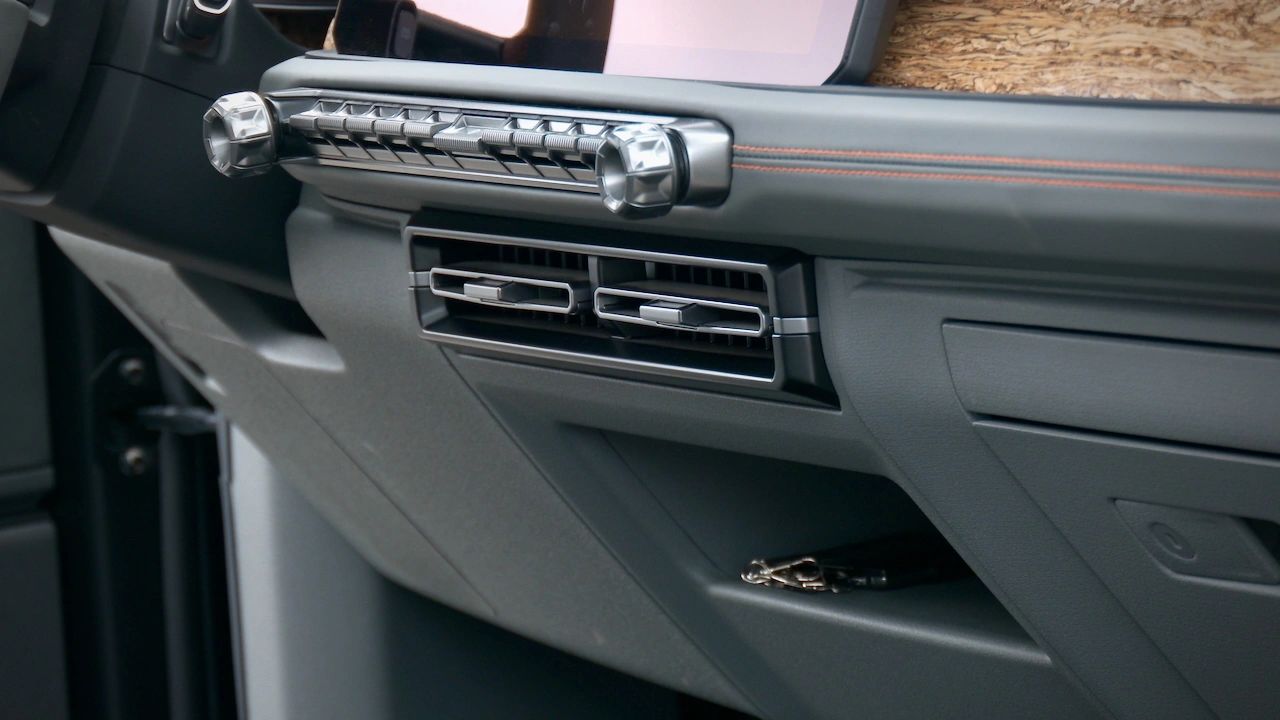
Team Scout brought prototype vehicles to the Northwest Automotive Press Association’s Mudfest 2026 event to show journalists what to expect. For starters, there will be plenty of knobs and buttons that are easy to use, even while wearing gloves. Let us now pause and give thanks to the Car Gods.
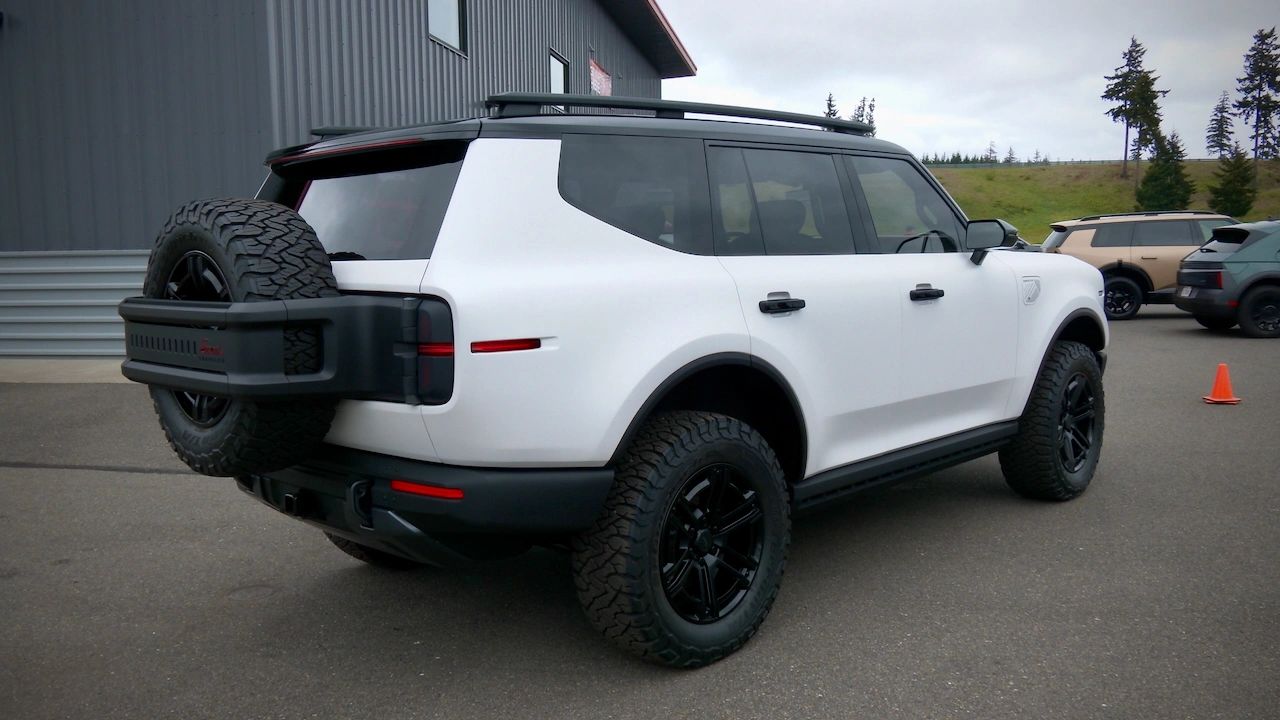
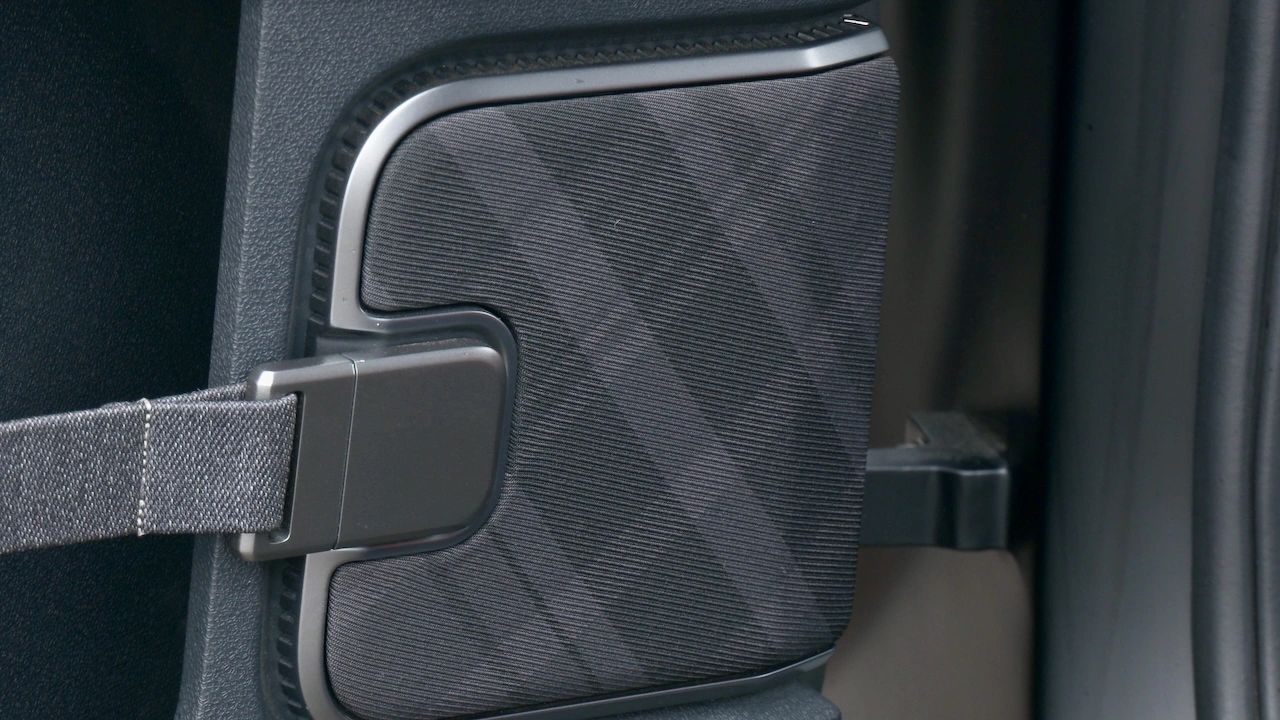
Senior Color, Materials and Finishes Designers Peyton Sullivan and Robert Brancheau were on hand to explain the big picture and why the trucks look the way they do. Yes, the recall the vibe of the originals. No, they aren’t retro. Open the doors to either vehicle and you’ll find a design element Sullivan calls Earth Plaid. “Its inspiration is from when you’re traveling across the country and looking out the plane window, seeing fields, roads and everything intersect. It’s a signature you’ll find inside and out.”
Digging Up Brand Inspiration
Agriculture is clearly a theme. Brancheau described how International Harvester’s farming roots are shaping the modern Scout. “I live in rural southeast Michigan surrounded by farms. The green of the Terra pickup is inspired by reflections of cornfields off silos. It’s intended to give the essence of agricultural tones — the green of the husk, the gold tones of the grain itself. We’re thinking of agriculture and how to implement that into the vehicle.”
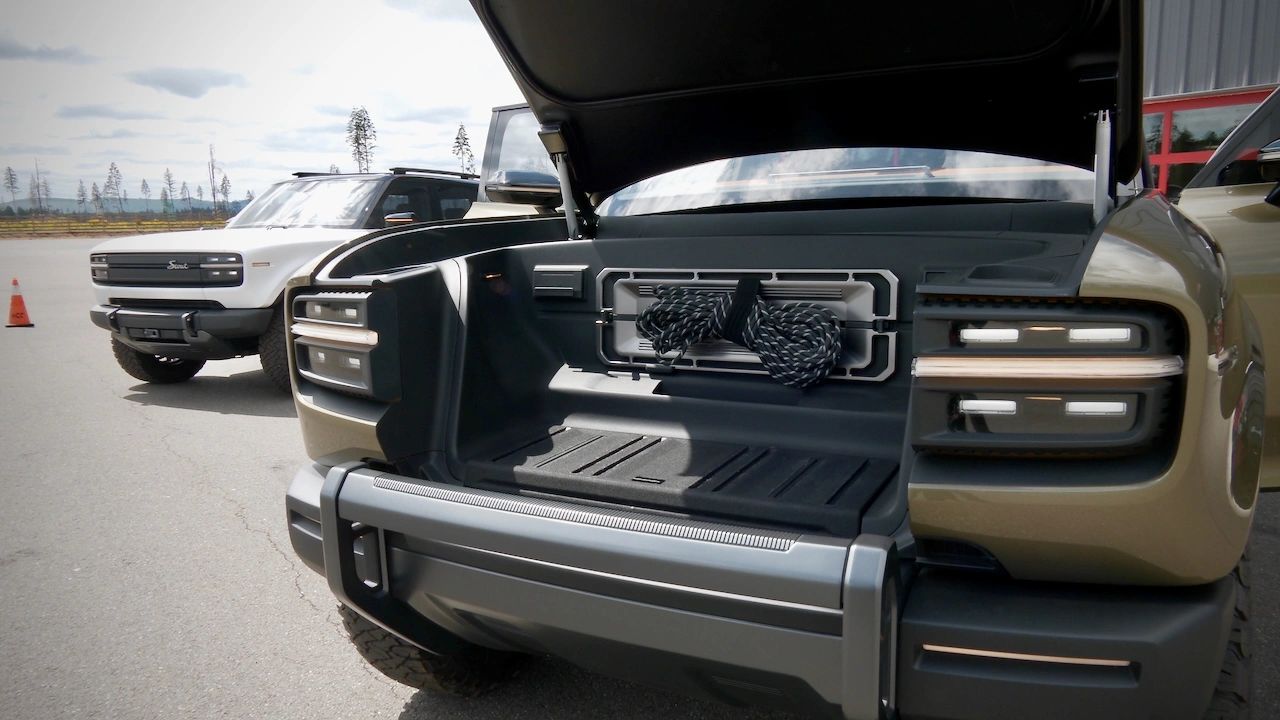
The Terra pickup on hand wore big 37-inch all-terrain tires, while the Traveler SUV rolled on 35s. These vehicles will not be posers. Scout Motors Communications Manager Kathy Graham says, “Both Terra and Traveler ride on a dedicated body-on-frame platform developed specifically for these vehicles. They’ll have true mechanical locking differentials, an available front sway-bar disconnect, 12 inches of ground clearance, aggressive approach and departure angles, plus water-fording ability of up to three feet.” Watch out, GMC Hummer EV.
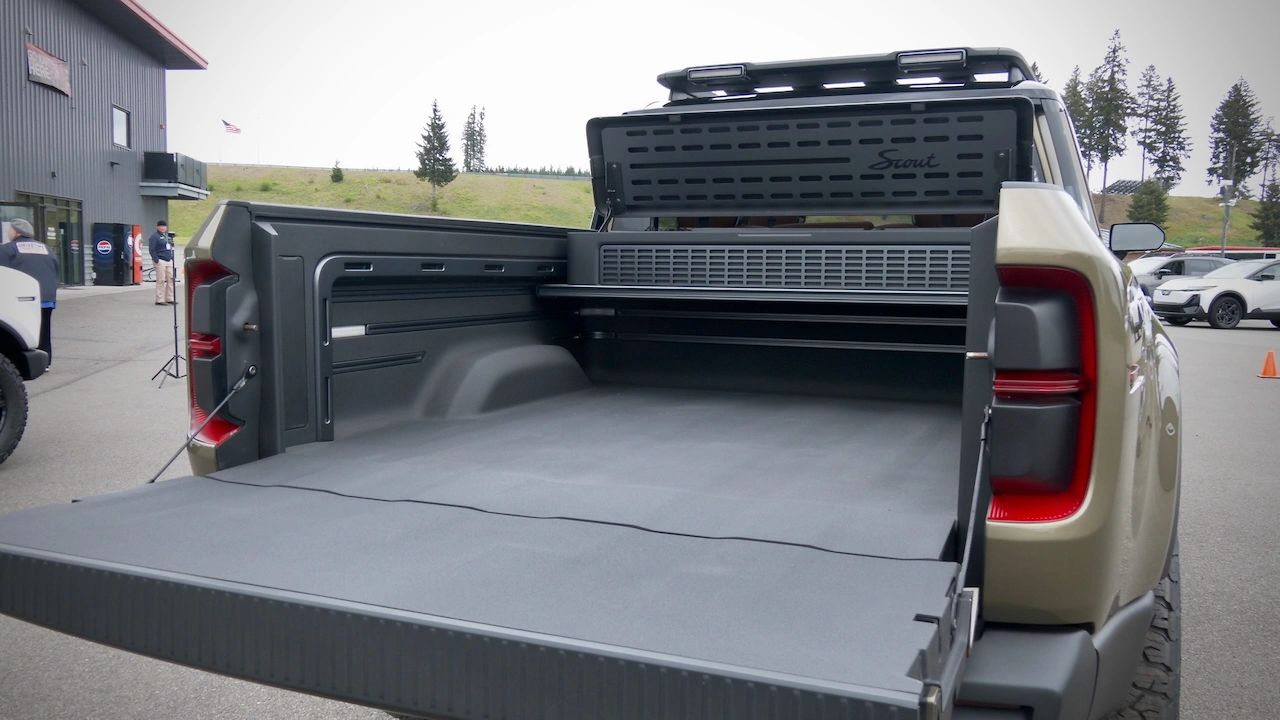
Both Pure BEV and EREV
Both Traveler and Terra offer something General Motors, Rivian and Tesla EVs don’t: the choice of an extended-range powertrain. For now, Scout isn’t saying what the Harvester’s gasoline generator engine will be. Conventional wisdom suggests a Volkswagen-sourced four-cylinder. It will sit in the rear of the vehicle and only produce electricity to feed the battery, which Scout claims will offer about 150 miles of electric driving. The engine will not connect to the drive wheels in any way, shape or form.
While the BEV version is slated to offer up to 350 miles of range, the Harvester EREV system seems to be Scout’s ace in the hole. Some 85 percent of reservation holders have chosen this propulsion method, which is expected to exceed 500 miles of total range.
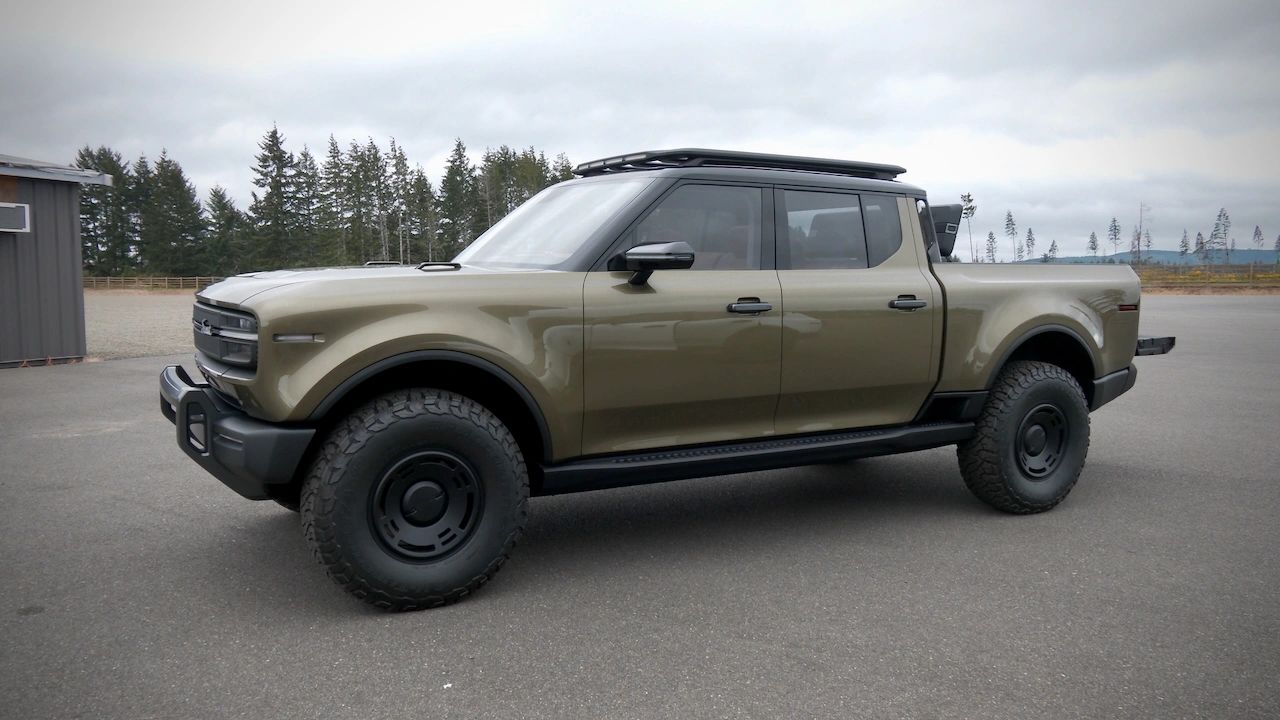
The Harvester system offers excellent flexibility for those who want pure electric driving for everyday use but often tow or venture significant distances into the wilderness. One challenge pure EVs face when hauling trailers is that most charging stations aren’t designed to accommodate vehicles towing loads. That means unhitching the trailer, charging up, and then reconnecting everything again. Extended-range electric vehicles eliminate much of that hassle by switching to gas when needed, though they do require additional maintenance in the form of oil changes and related upkeep. It’s also unclear whether choosing the EREV system will reduce towing or payload capacity. Stay tuned.
What to Expect From These Trucks
That said, Scout claims towing capability of some 10,000 pounds for the Terra and 7,000 pounds for Traveler. Payload should land somewhere near 2,000 pounds for both vehicles. 0-60 fans should expect hitting that benchmark in well under four seconds. The 800-volt electrical architecture, with charging speeds projected to be up to 350 kW, will use the NACS port. Bidirectional charging is talked about but might be optional.
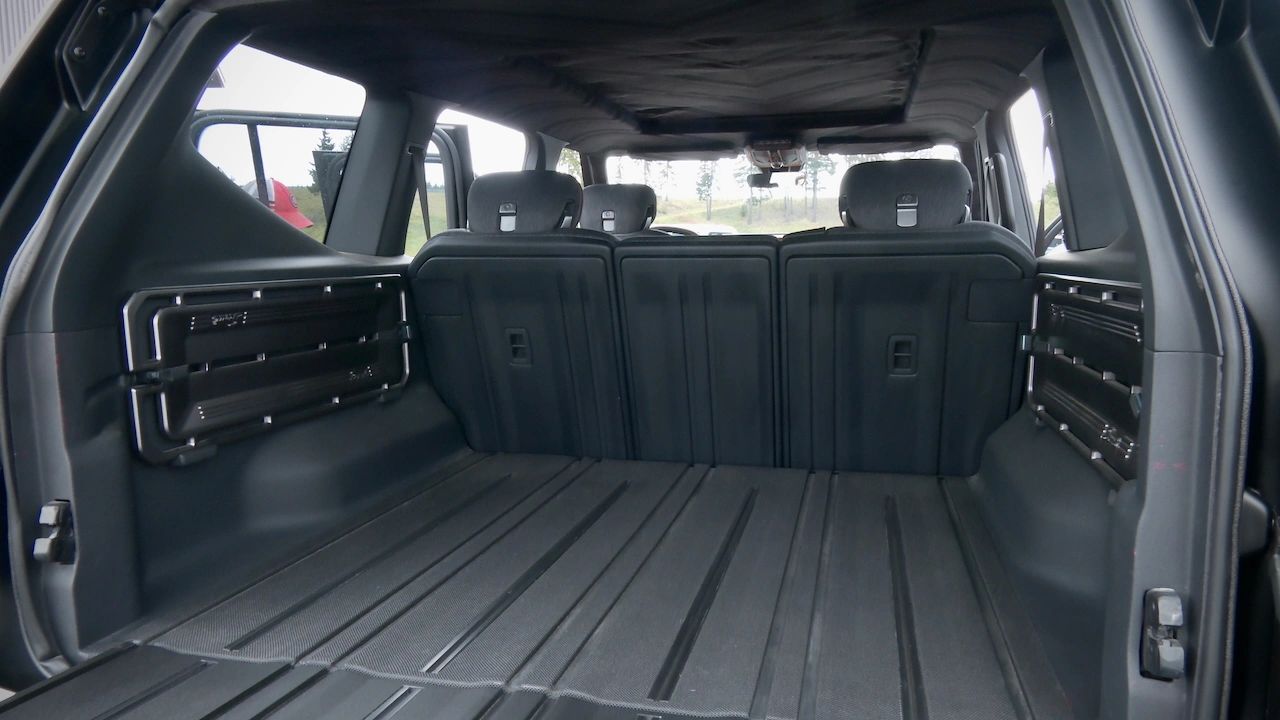
Graham says the Traveler SUV is on track to become Scout’s most popular model, accounting for 75 percent of reservations so far. It will compete with the Rivian R1S, Jeep Wrangler, Toyota 4Runner, Ford Bronco and, by the time it hits the market, Hyundai’s upcoming Boulder SUV. It won’t have removable doors, but the huge retractable cabana roof should help bring in the great outdoors.
The Great Indoors
The modern Scout is definitely larger than Uncle Chuck’s ’70s-era model. We weren’t allowed to sit inside the vehicles, but simply standing in the door openings made it clear they’ll be spacious. In fact, one of Scout’s most endearing options is a front bench seat for three-across seating. Perfect for keeping your significant other close and comfy while driving into town from the farm.
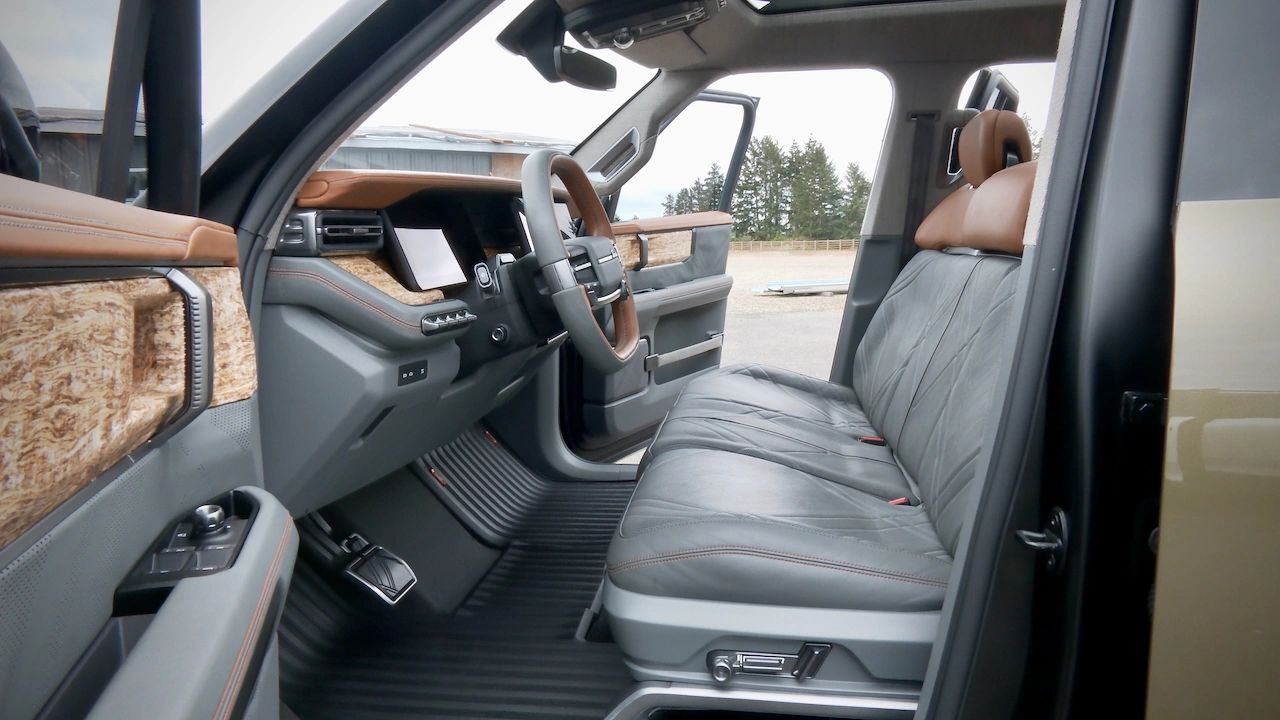
Both Sullivan and Brancheau stressed the importance of authentic materials throughout the vehicles. The leather actually comes from real cows. While real burlap would be too scratchy to use, the team replicated its look for the headliner and door straps — a callback to the grain sacks that once held feed for cattle, which eventually became seat material. Not quite the circle of life, but close.
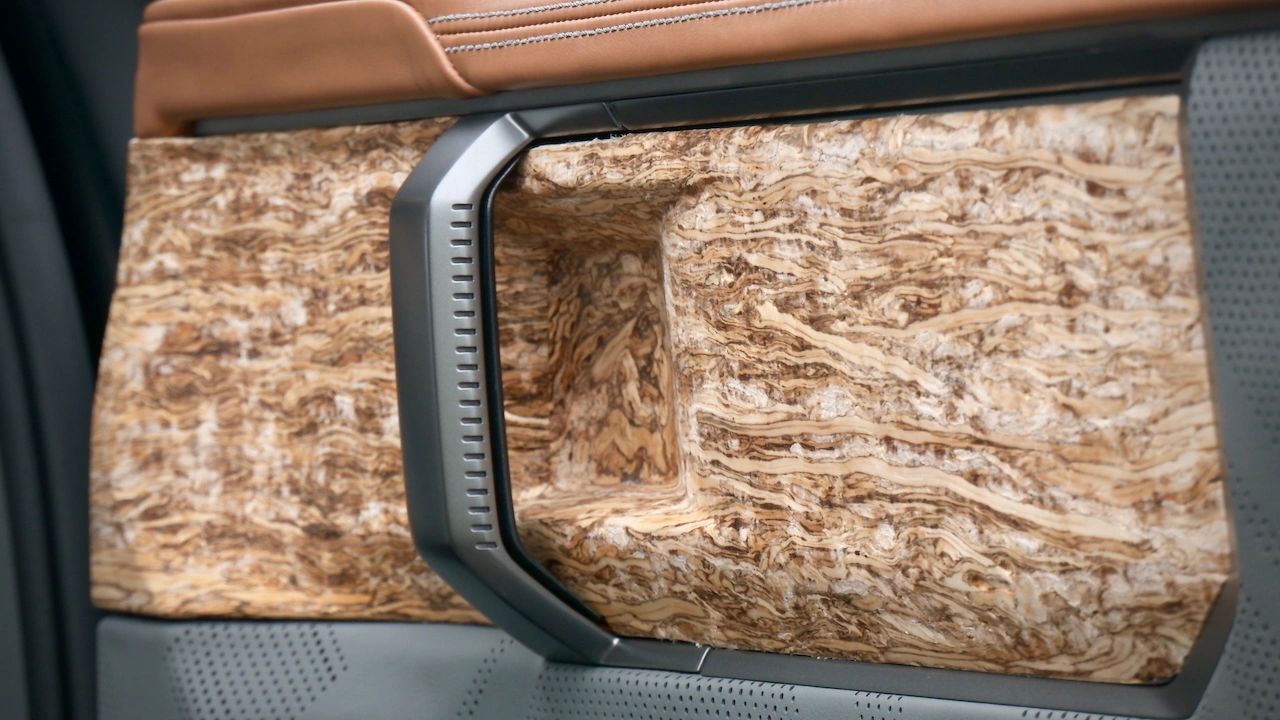
Trim panels in the vehicles are made from hemp, which the designers say is both strong and highly renewable. It has a similar appearance to oriented strand board used in construction projects. On-brand, for sure.
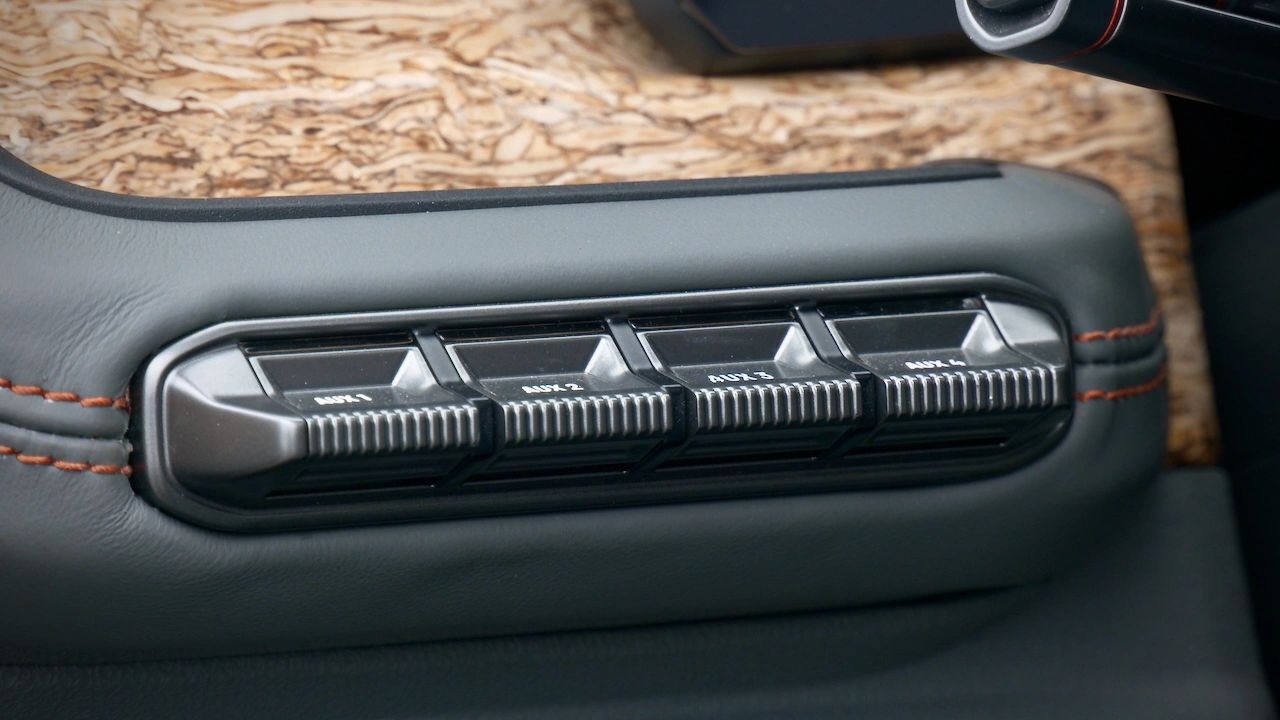
While these were prototype vehicles, the hardware looks promising. Switches, dials and door handles all have a beefy, honest metal look about them. Much has been said about Volkswagen’s decision to team up with Rivian to develop a better user interface. Considering the Volkswagen ID.4’s messy infotainment system, smart move, VW. The prototypes did not run production software, so there’s no way yet to determine exactly what’s coming.
True to American Roots
International Harvester once bolted Scouts together in Fort Wayne. When these new vehicles hit the road in 2028, they’ll come from a new plant in Blythewood, SC, about 20 minutes northeast of Columbia if you happen to be in the area. Spanning more than 1,100 acres, Volkswagen has invested $2 billion into the facility, which it says will create 4,000 permanent jobs. If Terra and Traveler prove popular, the plant can reportedly produce up to 200,000 vehicles annually. Maybe not a “bet the farm” investment but it’s an opportunity to use the pun.
Scout isn’t a new brand to Uncle Chuck, but it is to many Gen X and Millennial buyers. Reaching them will require some clever marketing. There are already 160,000 reservations, but history tells us — cough, cough, Tesla Cybertruck — that not all reservations translate into sales. Pricing is expected to start around $60,000, and that could become a gatekeeper.
On top of that, existing Volkswagen dealers are unhappy with Scout’s direct-to-consumer sales strategy and have filed lawsuits attempting to stop the plan. Scout CEO Scott Keogh seems unfazed, saying, “We have our plan that we’re executing.”

So no, everything may not be completely hunky-dory down on the farm. But that’s always the case in the automotive business. It’s nearly as fickle as farming itself. The vehicles, with their clear connection to the originals, look fantastic and show tremendous potential. Scout hasn’t revealed any reference to the bold stripe package my uncle’s Scout wore, but if the company doesn’t offer it, the aftermarket surely will.
And if you’re reading this article, check out the YouTube video I produced for my channel, Driven. The visuals offer a much better sense of what to expect when Scout finally becomes the real deal.